Sodium Metal
Sodium is an alkali metal or group 1 chemical element in the periodic table with symbol Na and atomic number 11. It is a soft metal that tarnishes quickly when exposed to the air. The metal and its various compounds have a great demand for industrial, commercial, and biological processes. For example, sodium chloride (common salt) is the most common and usable salt of this alkali metal. Sodium carbonate (washing soda) and bicarbonate are also useful salts of this element. Sodium plays a crucial human body by maintaining osmotic pressure, fluid balance, and conduction of nerve impulses.
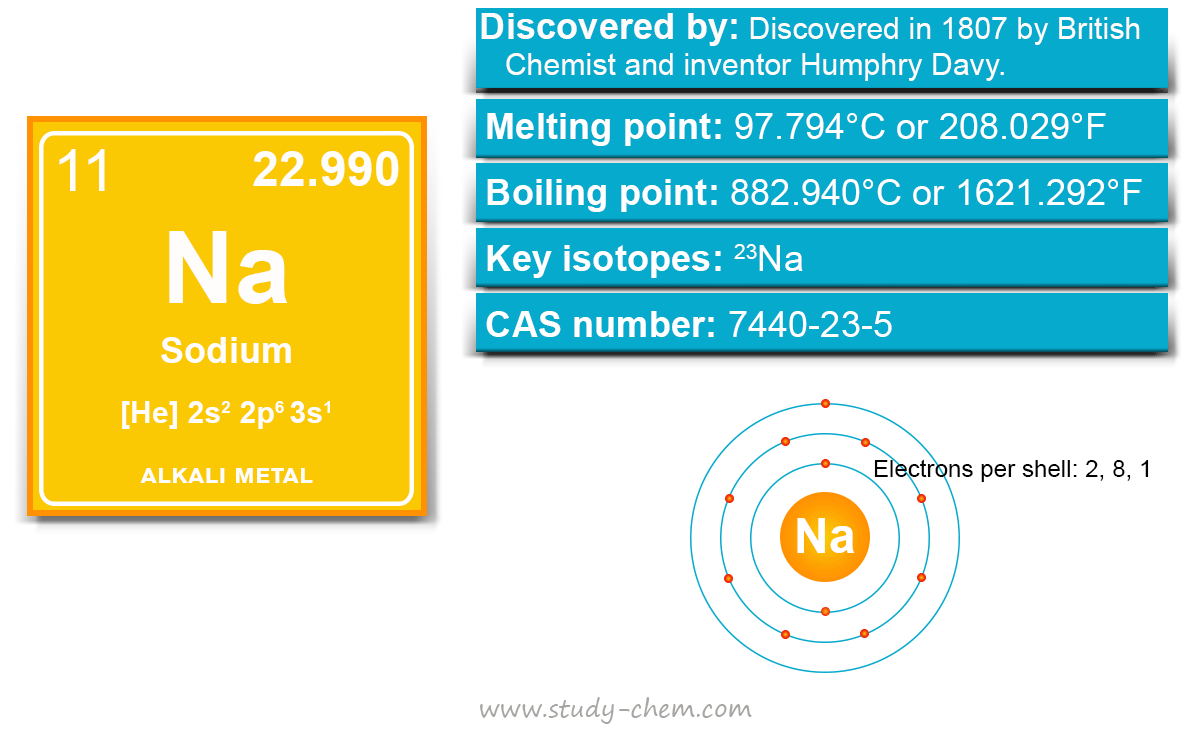
Due to high reactivity, the elemental or pure form of sodium is rarely found in nature. Such a highly reactive alkali metal can react vigorously with water. It is a soft, low-melting, silvery-white metal that adopts a body-centred cubic structure with poor conductor of electricity.
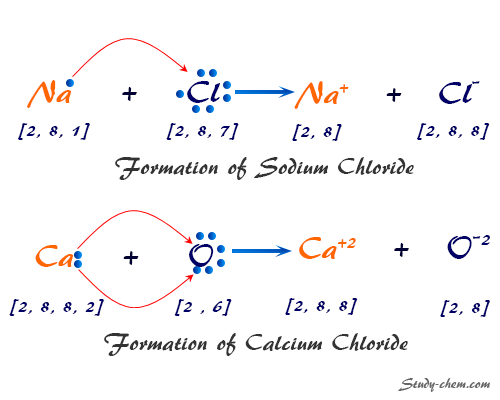
Like other alkali metals, sodium also has an ns¹ outer electronic configuration and readily loses its single valence electron to form Na+ ions. Therefore, it generally combines with other elements by ionic bonding to form ionic compounds. It makes this metal good for chemical reactivity.
Occurrence
The elemental form of this metal is never found in the Earth’s atmosphere due to its high reactivity. It is found abundantly in nature and primarily in the form of common table salt or sodium chloride (NaCl). It readily combines with other chemical elements to form ionic salts and minerals. This metal is generally obtained during the electrolysis of dry molten sodium chloride.
The alkali metal sodium is the sixth most abundant chemical element on Earth. It occurs principally as rock salts and has been leached into the oceans as NaCl. Besides rock salts, natural brines and oceanic water contain a huge quantity of sodium chloride (NaCl). Therefore, vast deposits of rock salt probably resulted from the evaporation of ancient seas.
Sodium metal also occurs as carbonate (trona), nitrate (salt peter), borate (borax), etc. Like potassium, it is likely to be leached out from silicate rocks by weathering. This chemical element is also found in many minerals including cryolite, zeolite, and sodalite.
Many salt beds of NaCl are found in various parts of the world. The Cheshire in the UK is the largest salt bed that occupies an area of 60 km × 24 km, and it is generally 400 m thick. Similar deposits are also found in Saskatchewan in Canada and Carlsbad in New Maxico.
Discovery of Sodium Metal
Many salts (common salt, borax, soda, etc) of sodim metal have been known and used since prehistoric times. For example, the common salt or sodium chloride (NaCl) has been used since prehistoric times for flavouring and preservation of food items. However, the salt sodium carbonate or soda (Na2CO3) has been used for making glasses.
The former comes from seawater while the latter comes from the Natron Valley in Egypt or from the ash of certain plants. The composition of these two salts was debated by early chemists but was finally extracted in 1807 by British chemist and inventor Humphry Davy.
He extracted it in the Royal Institution in London by passing an electric current through caustic soda (sodium hydroxide, NaOH) solution. He had previously done it for potassium but used a stronger current for this production.
This alkali metal was also produced in 1808 by Louis-Josef Gay-Lussac and Louis-Jacques Thénard by heating to red heat a mixture of caustic soda and iron filings.
Production of Sodium Metal
Sodium is extracted by electrolysis of fused sodium chloride-calcium chloride (NaCl−CaCl2) eutectic with a melting point of 505 °C.
Mixture NaCl−CaCl2 is used because the temperature of this mixture is considerably lower than the melting point of pure NaCl (803 °C). Therefore, the difficulties due to the volatility of this element are largely eliminated.
Under this condition, the discharge potential of Na+ is lower than that of the Ca+2. Therefore, it is preferentially deposited with 1 to 2 percent calcium at a cylindrical cathode.
The calcium solidifies at a cool collecting pipe and falls back into the melt. However, chlorine is liberated at the central graphite anode and collected through a nickel dome.
Properties
Consistent with ns¹ outer electronic configuration, all alkali metals occupy group 1 in the periodic table. Only the outer 3s¹ electron of this metal atom takes part in metallic bonding. It renders this metal soft and low-melting. Therefore, soft, silvery-white sodium is a highly reactive alkali metal combine with other elements through ionic bonding.
Discovery and Physical Properties |
|||
| Discovery | Discovered in 1807 by British chemist and inventor Humphry Davy. | ||
| Origin of the name | The name originates from the English word ‘soda’. | ||
| Allotropes | Na | ||
| CAS number | 7440-23-5 | ||
| Relative atomic mass | 22.990 | ||
| Atomic number | 11 | ||
| Electron configuration | [He] 2s² 2p⁶ 3s¹ | ||
| Periodic position | Group 1, period 3, and block s in the periodic table. | ||
| Melting point | 97.794°C or 208.029°F | ||
| Boiling point | 882.940°C or 1621.292°F | ||
| Density (g cm−3) | 0.97 | ||
| State | Solid at 20°C | ||
| Crystal structure | Body-centered cubic (bcc) | ||
| Key isotopes | 23Na | ||
| Thermal conductivity | 142 W/(m⋅K) | ||
| Heat of vaporisation | 97.42 kJ/mol | ||
| Molar heat capacity | 28.230 J mol−1 K−1 | ||
| Specific heat capacity | 1227.925 J kg−1 K−1 | ||
Chemical Properties |
|||
| ChemSpider ID | 4514534 | ||
| Atomic radius, non-bonded (Å) | 2.27 | ||
| Covalent radius (Å) | 1.60 | ||
| Electron affinity (kJ mol−1) | 52.867 | ||
| Electronegativity (Pauling scale) | 0.93 | ||
| Ionisation energies (kJ mol−1) |
1st | 2nd | 3rd |
| 495.845 | 4562.444 | 6910.28 | |
| Common oxidation states | +1 | ||
| Magnetic ordering | Paramagnetic | ||
All the alkali metals give characteristic flame colour due to the easy excitation of the outermost electron. For example, sodium gives a yellow colour. This fact has led to the development of analytical methods for the precise estimation of Na metal by flame photometry and atomic absorption spectroscopy.
Chemical Reactivity
The large difference between the first and second ionisation energy of sodium suggests that the preferred oxidation number or state of this element will be +1. The major chemistry of this element is compensated by the Na+ ion due to the very low first ionisation energy.
The presence of Na+ ions in the solid compounds has been confirmed by X-ray studies. However, Na+ ions in solution are largely stabilized by high solvation energies.
The chemical reactivity of this element increses from lithium to sodium. Thus, it reacts exothermically or dangerously with water at 25 °C to form sodium hydroxide (NaOH) and hydrogen gas (H2).
When burnt in air oxygen, it gives principally sodium peroxide (Na2O2) along with oxide (Na2O). Similarly, when metallic form of this element is heated with carbon, it forms sodium acetylide (Na2C2).
Sodium is also very reactive towards halogens (chlorine, fluorine, etc). For example, when combined with chlorine, it forms the ionic compound sodium chloride (NaCl) which is used widely in everyday life for flavoring and storing food items.
Position of Sodium in Periodic Table
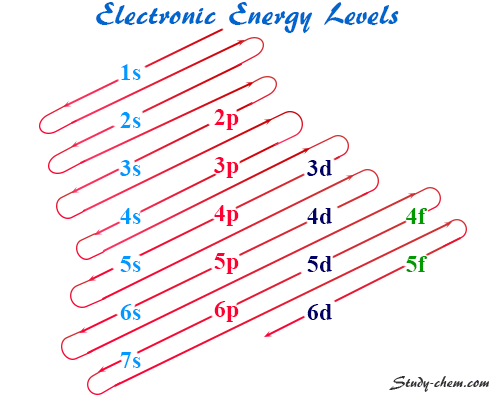
The atomic number of sodium is 11, and the electronic configuration of the element is [He] 2s² 2p⁶ 3s¹. Therefore, highly reactive sodium metal is positioned in group 1 and period 3 of the periodic table.
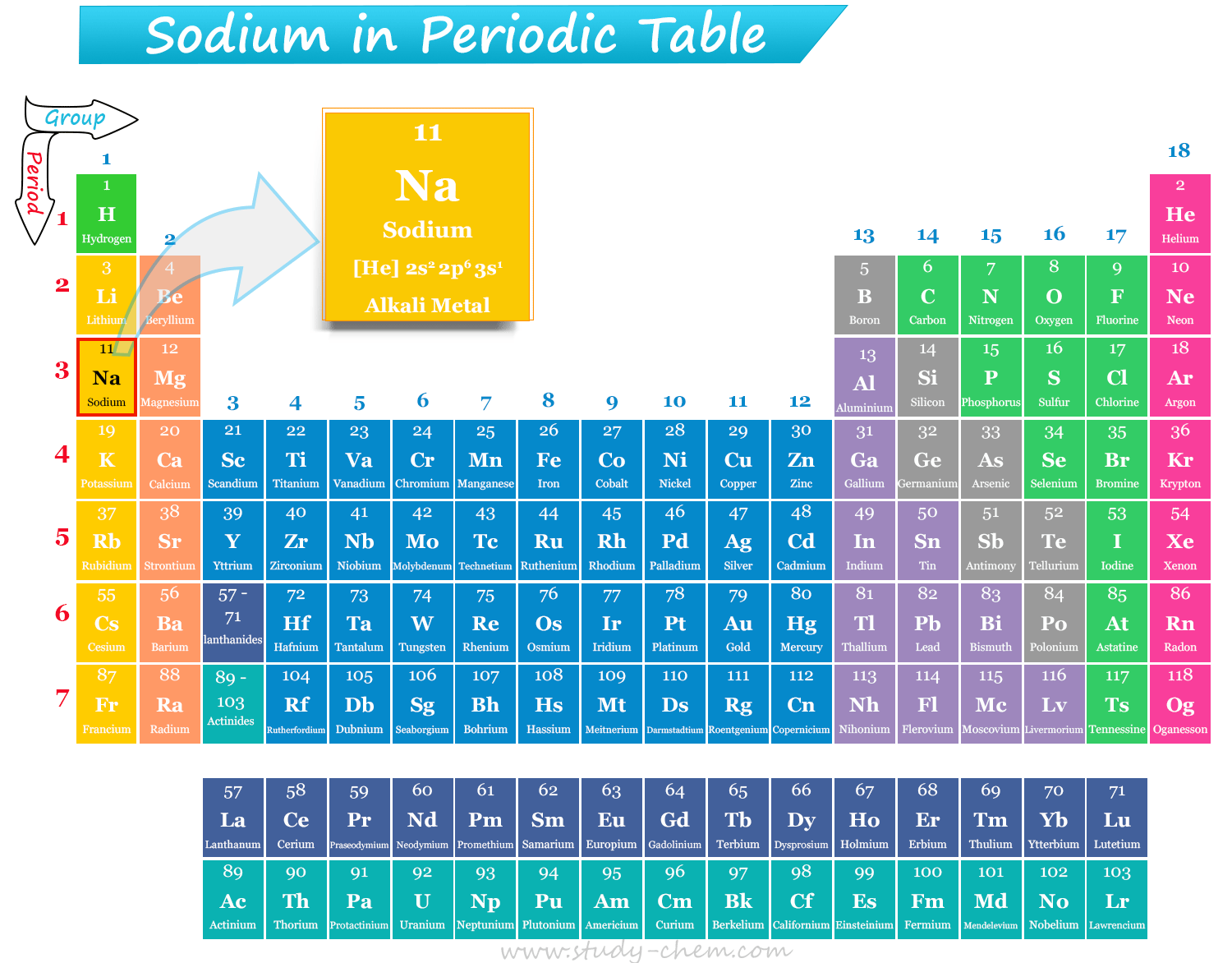
The valence shell electronic configuration of sodium suggests that it is an s-block element, which is the first element of period 3 and is placed before magnesium along a period in the periodic table. When placed along a group, it is after lithum and before potassium.
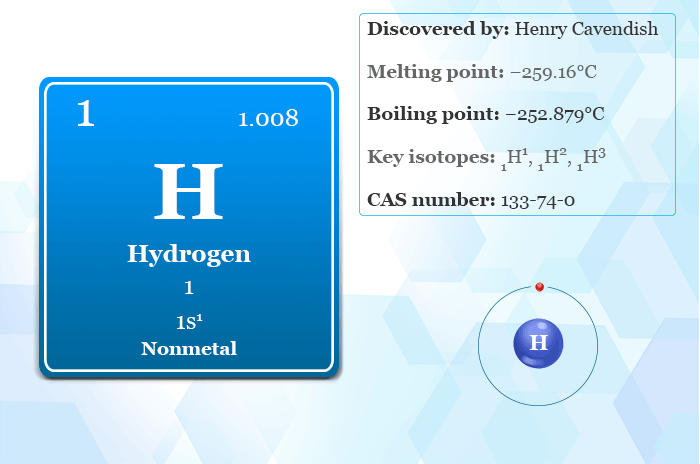
Sodium is the 11th element, or third member of group 1 or alkali metal group of the periodic table. Therefore, it is placed along with other group 1 elements: Hydrogen (H), Lithium (Li), Potassium (K), Rubidium (Rb), Caesium (Cs), and Francium (Fr).
Interesting Facts
- When a small piece of Na metal is dropped into an ethanol solution, it reacts steadily to form a colorless solution of sodium ethoxide and releases bubbles of hydrogen gas.
- Sodium metal is soft, low-melting, and can be cut easily with a knife because only the outer 3s¹ electron of this metal atom takes part in metallic bonding.
- This alkali metal is an essential component of humans because Na+ ions constitute about 0.3 percent of human blood, 0.6 percent of bone, and 0.6 to 1.5 percent of our body muscles.
- This alkali metal gives a characteristic yellow flame colour due to the easy excitation of the outermost electron.
Uses of Sodium Metal
Sodium is a good heat exchanger for some nuclear reactors and a very useful reagent for the chemical industry. However, the salts of this alkali metal uses more widely than the metal itself.
- The alkali metal sodium has a low melting point, low viscosity, and low neutron absorption cross section together with high heat capacity and thermal conductivity. Such properties make sodium or Na-K alloy the most favoured material for heat exchange in fast breeder nuclear reactors.
- More than half of the sodium produced every year is used as Na-Pb alloy to make an antiknock compound, lead tetraethyl. However, the production and use of lead tetraethyl in the near future is likely to fall due to lead poisoning.
- The second important use of this alkali metal is as a reducing agent in the extraction of transition metals such as titanium (Ti), zirconium (Zr), etc.
- Various research has been carried out today for replacing Li-ion batteries with Na-ion batteries because sodium is far more available and inexpensive than lithium.
- Sodium metal gives a characteristic yellow light due to the easy excitation of the outermost electron. Therefore, it is used in vapour lamps for producing a characteristic yellow light.
Uses of Sodium Salts
The use of sodium hydroxide and other metal salts is numerous for various industrial productions. Therefore, millions of tonnes of sodium hydroxide, chloride, carbonate, bicarbonate, sulfate, nitrate, chlorate, perchlorate, and phosphate are consumed annually for different industrial production.
- Sodium Hydroxide: The hydroxide of this metal is used largely in the manufacture of phenol, resorcinol, hypochlorate, etc. However, a substantial amount of sodium hydroxide is also used in the paper, pulp, and rayon industries and in the extraction of aluminium metal.
- Sodium Chloride: The common salt or sodium chloride (NaCl) has been used since prehistoric times for flavouring and preservation of food items. This alkali metal salt is also used as a de-icing agent for roads in winter.
- Sodium Carbonate: The carbonate form of this metal is largely used in the glassmaking industry as a flux for decreasing the melting point of silica. Therefore, it makes the production process more economic and efficient. Na2CO3 is also used in the chemical industry for the production of many other chemicals. In the paper industry, it can be used to replace NaOH.
- Sodium Sulphate: The sulphate form of this metal is largely used in the paper industry for making brown wrapping papers and corrugated boxes. It is also used as a filler in detergent powder used in laundry. It is added as a drying agent in many industrial processes for removing moisture.
- Sodium Nitrate: The nitrate form of this metal is an important compound that is used widely for making fertilizer and explosives. It is also a good food preservative that is used for the preservation of food items.
Biological Role of Sodium
Sodium is an essential component of living things and humans. In animals, it is present mainly in the form of sodium chloride. Na+ ions constitute about 0.3 percent of human blood, 0.6 percent of bone, and 0.6 to 1.5 percent of our body muscles. The most common biochemical functions of this alkali metal are:
- In association with chloride and bicarbonate, it regulates the body’s pH balance.
- Sodium metal is required to maintain osmotic pressure and fluid balance in our bodies.
- It is also necessary for the normal muscle irritability and cell permeability.
- This metal is generally involved in the intestinal absorption of glucose, galactose, and amino acids.
- It is also necessary for initiating and maintaining our heartbeat.
Our body generally contains 100 grams of this alkali metal. Our body constantly releases this metal in different ways. Therefore, we need to get it generally by consuming common salt or sodium-rich food items like bread, whole grains, leafy vegetables, nuts, eggs, and milk.
Most of this metal consumed by the human body comes from common salt (NaCl). However, any extra sodium can cause high blood pressure or hypertension and thereby increasing the risk of cardiovascular disease.
The deficiency of this alkali metal in the human body is rare and uncommon. However, when sodium levels in the blood become too low, it causes symptoms like nausea, headache, and confusion. Therefore, we need to maintain a proper balance of sodium metal for our good health and wellness.