Phosphorus Element
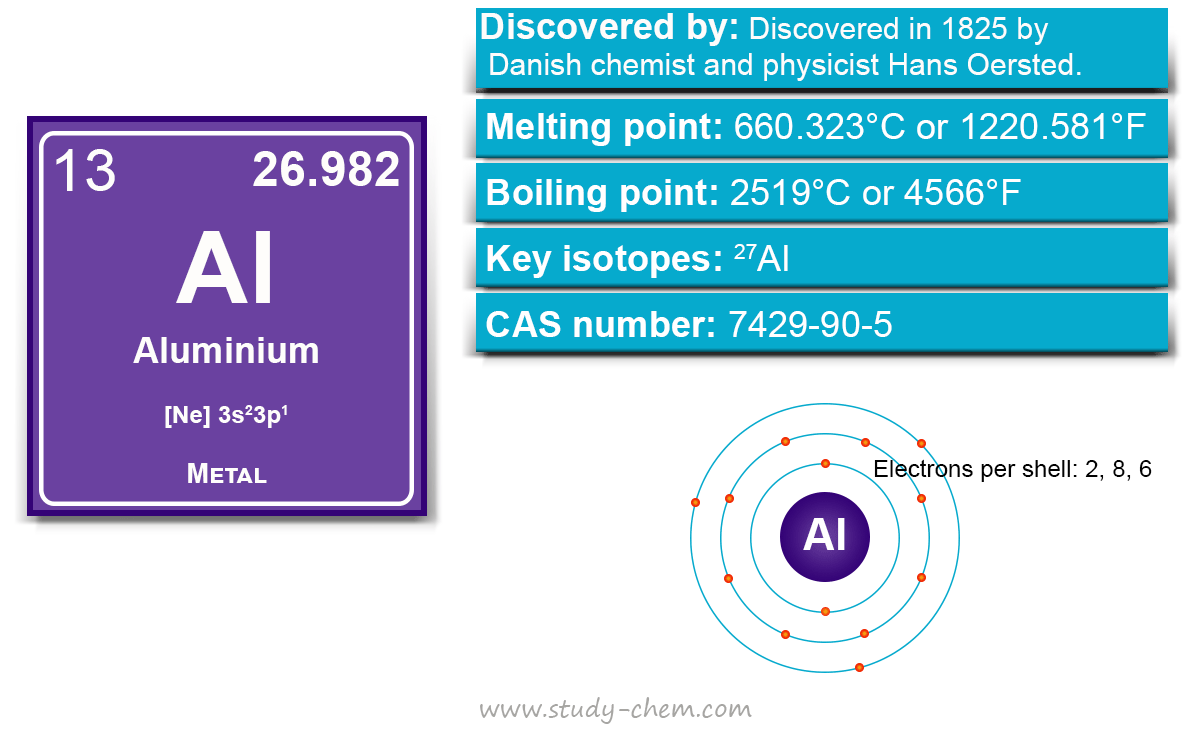
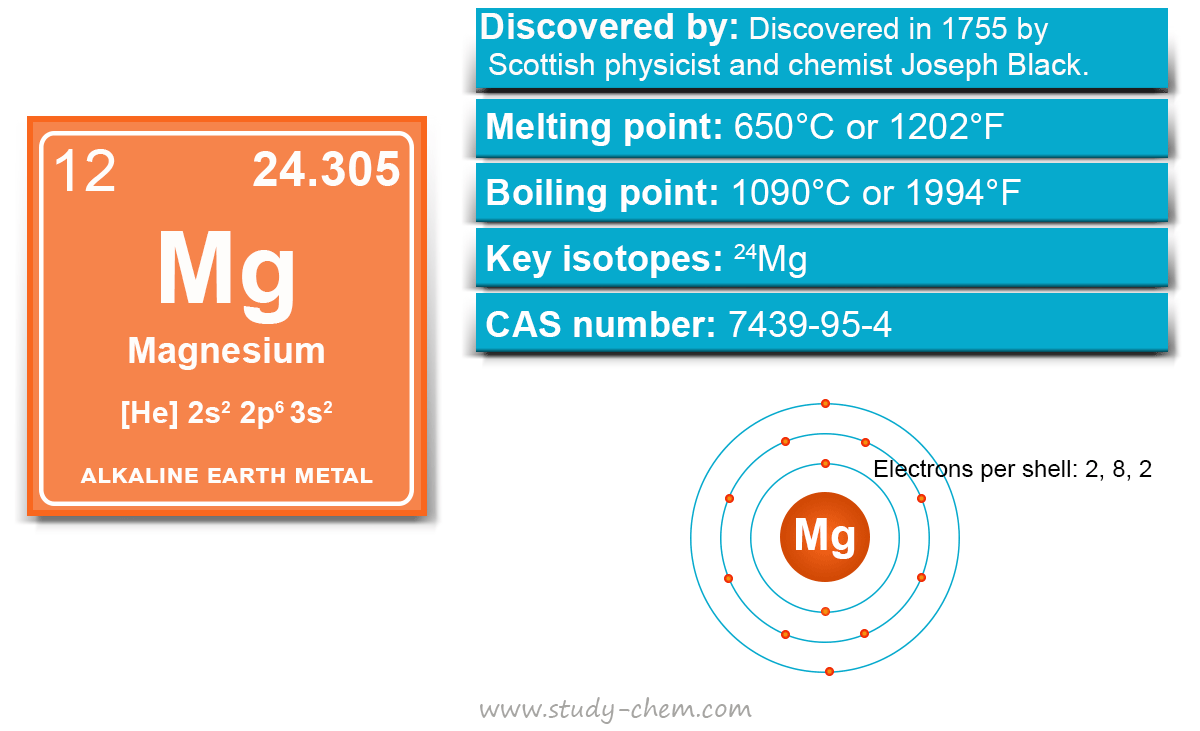
Phosphorus is a nonmetal or chemical element of group 15 in the periodic table with chemical symbol P and atomic number 15. It exists mainly in two forms white P and red P, where the white variety is a highly reactive waxy solid but the red variety is generally an amorphous non-toxic solid. This nonmetal does not exist freely in nature and forms various phosphate compounds with other metals and nonmetals. Phosphates are also essential constituents of the human body because they form the sugar-phosphate backbone of nucleic acids (DNA and RNA) and contribute to the delivery of energy through ATP.
Abundance and Occurrence
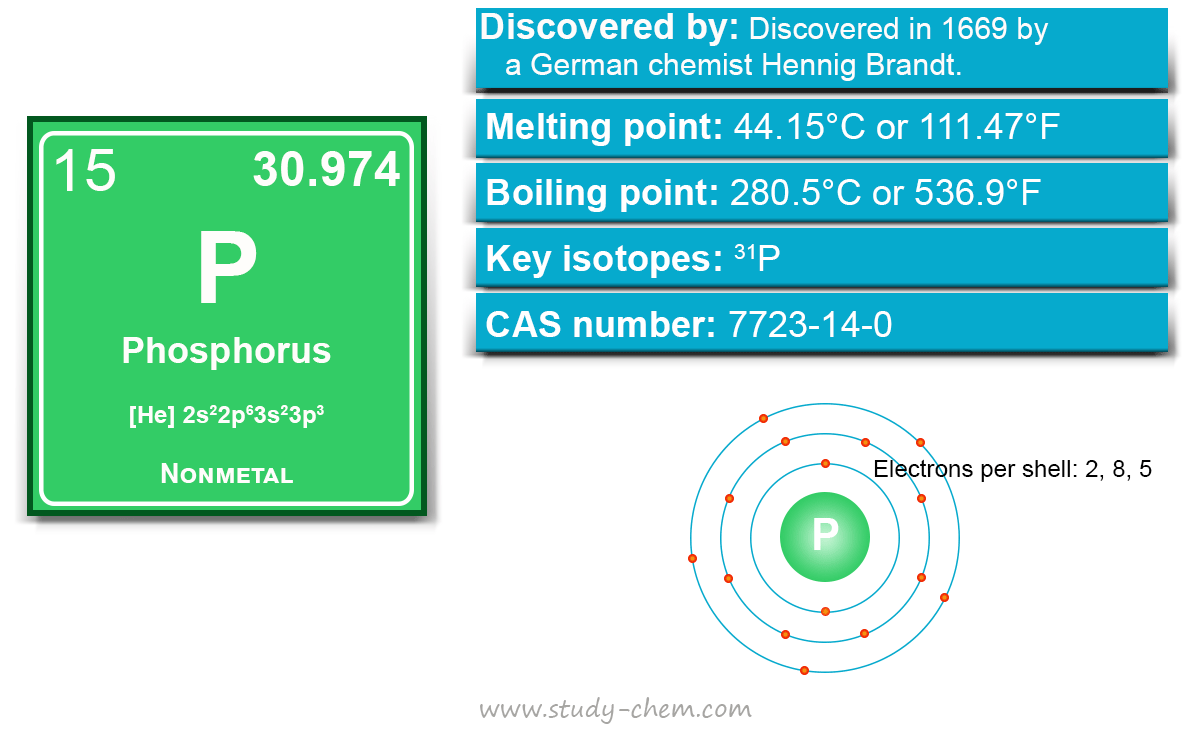
Phosphorus is a highly abundant non-metal present in crystalline rocks. It mostly occurs as phosphorite Ca3(PO4)2, fluorapatite, 3Ca3(PO4)2.CaF2, and chlorapatite, 3Ca3(PO4)2.CaCl2.
Phosphorus rocks are generally used for the manufacture of soluble calcium hydrogen phosphate, Ca(H2PO4)2. It is also called superphosphate of lime. Therefore, only about 10% of the annual work-up of the phosphate rock is used to make elemental phosphorus and other compounds of this periodic table element.
Over 200 phosphate minerals occur in different countries. It occurs mainly as calcium phosphate. The major deposits of this nonmetal are found in Morocco and other African countries, North American states, South America, Australia, and Asia.
This periodic table nonmetal also occurs in plants and animals, where it forms an essential sugar-phosphate backbone of nucleic acids (DNA and RNA).
Isotopes
31P is the only stable isotope of phosphorus among 22 known isotopes. 32P (β-emitter, t½ = 14 days) is the most important because it is used in tracer studies.
The isotope 32P is basically produced by the (n, p) reaction on 32S or the (n, γ) reaction on 31P in a nuclear reactor. 31P has a nuclear spin quantum number ½ and is used in nuclear magnetic resonance (NMR) spectroscopy.
Isolation of Phosphorus
Phosphorus is obtained generally by reducing phosphate rock with coke in the presence of sand at 1400°-1500° C in an electric furnace. The overall reaction may be idealized as,
3Ca3(PO4)2 + 6SiO2 + 10C → 6CaSiO3 + 10CO + P4
The phosphorus vapour condenses in water and white verity is basically obtained from this production process.
When fluorapatite is used, part of the CaF2 combines with SiO2, forming the toxic and corrosive gas SiF4. This may be arrested by water and Na2CO3 forming Na2SiF6.
The phosphate rocks also contain 1 to 5% of FeO3. This gets converted to liquid ferrophosphorus. Therefore, this compound sinks below the slag and can be drained out. The loss of P can be partly compensated when we use ferrophosphorus as a byproduct.
Allotropes of Phosphorus
Solid phosphorus has several allotropic forms but liquid and gaseous states below 800 °C contain the tetrahedral P4 unit. However, dissociation to P2 units starts above 800 °C.
Phosphorus generally occurs in two main forms white P and red P. The white variety is a highly reactive waxy solid but the red variety is an amorphous non-toxic solid.
When white P comes into contact with skin, it causes severe burns, or inhalation causes harmful metabolic disorders. White phosphorus glows in the dark and is flammable when exposed to air.
White Phosphorus
The group 15 element phosphorus contains several molecular and allotropic forms. The four phosphorus atoms in the P4 molecule are sitting at four corners of a tetrahedron. The P−P−P bond angle is 60°.
Ideally, pure p-p overlap makes the P−P−P bond angle 90°. Thus, the actual structure must be quite strained, and it is present in white phosphorus form.
The large strain in the white P4 molecule is responsible for its chemical reactivity. Therefore, to prevent air oxidation, this variety is stored under water.
The white P4 variety is obtained by heating a mixture of phosphorite, silica, and coke in an electric ARC furnace at about 1500 °C.
2Ca3(PO4)2 + 6SiO2 + 10C → P4 + 6CaSiO3 + 10CO
This group 15 element vaporises and leaves the furnace through an exit at the top. It is condensed by cooling in cold water and cast into sticks and stored under water. The fusible calcium silicate is removed through a slag hole.
Red Phosphorus
White phosphorus changes into the red variety on heating in an inert atmosphere for several hours around 250 °C. The transformation is exothermic and might often be explosive.
Red P is less reactive than the white variety and it exists in polymeric form with linear P4 tetrahydron. This variety is stable in air and need not be stored under water. Red phosphorus possesses a much higher density than the white variety and is also insoluble in organic solvents.
Black Phosphorus
White phosphorus changes to a black crystalline form when heated under high pressure or at 220 to 350 °C for a week in the presence of a mercury catalyst and with a little black P as seed.
Several crystalline modifications of black phosphorus have been identified. Rhombohedral is one of these forms that contains a planar hexagonal layer structure.
In a planar hexagonal layer structure, each phosphorus atom is bonded to three others by sp2 hybridization. The P−P bond distance = 213 pm, and the P−P−P bond angles are close to 100°. A weak van der Waals attraction is present between the two sheets.
There is a dauble layer structure in orthorhombic black phosphorus where each P is bound to three others. P−P bond distance = 220 pm and two P−P−P angles = 102° and 96.5°. The inner layer distance = 387 pm.
Properties
The elements in this group are sometimes collectively called pnictogen (pnicogen) or pnictides. The chemistry and chemical properties of phosphorus differ from nitrogen in the same way as silicon differs from carbon.
Discovery and Physical Properties |
|||
| Discovery | Discovered in 1669 by a German chemist Hennig Brandt. | ||
| Origin of the name | The name of phosphorus originates from the Greek word ‘phosphoros’, meaning bringer of light. | ||
| Common Allotropes | White P, Red P, and Black P | ||
| CAS number | 7723-14-0 | ||
| Relative atomic mass | 30.974 | ||
| Atomic number | 15 | ||
| Electron configuration | [He] 2s² 2p⁶ 3s³ | ||
| Periodic position | Group 15, period 3, and block p in the periodic table. | ||
| Melting point | 44.15°C or 111.47°F | ||
| Boiling point | 280.5°C or 536.9°F | ||
| Density (g cm−3) | 1.823 (white) | ||
| State | Solid at 20°C | ||
| Crystal structure | Body-centred cubic (bcc) for α-white Orthorhombic for black P |
||
| Key isotopes | 31P | ||
| Thermal conductivity | White P | Black P | |
| 0.236 W/(m⋅K) | 12.1 W/(m⋅K) | ||
| Electrical Conductivity | 22.4 × 10⁶ S/m | ||
| Molar heat capacity | 23.824 J mol−1 K−1 for white P | ||
| Specific heat capacity | 769.161 J mol−1 K−1 for white P | ||
| Thermal expansion | 2.556×10⁻⁶/K at 20 °C | ||
| Heat of fusion | 0.66 kJ/mol for white P | ||
| Heat of vaporization | 51.9 kJ/mol for white P | ||
| Van der Waals radius (Å) | 1.80 | ||
Chemical Properties |
|||
| ChemSpider ID | 4575369 | ||
| Atomic radius, non-bonded (Å) | 1.80 | ||
| Covalent radius (Å) | 1.09 | ||
| Electron affinity (kJ mol−1) | 72.037 | ||
| Electronegativity (Pauling scale) | 2.19 | ||
| Ionisation energies (kJ mol−1) |
1st | 2nd | 3rd |
| 1011.812 | 1907.467 | 2914.118 | |
| Common oxidation states | 5, 3, -3 | ||
| Magnetic ordering | White, red, violet, black: diamagnetic | ||
The formation of P−3 from P requires only 1450 kJ mol−1 energy but truly ionic compounds are rare for this periodic table element. However, P−3 is formed only with alkali and alkaline earth metals.
Loss of valence electrons by phosphorus to form cations is also unlikely due to the high ionization energies involved. Therefore, a +5 cation for this element does not exist.
Most of the compounds formed by this element are thus covalent in nature with the oxidation state +3 or +5.
Phosphorus has numerous compounds in coordination numbers 5 or 6. Such chemical bonding in these compounds is most conveniently described in terms of contraction of the d orbitals followed by hybridization.
The 5 and 6 coordination numbers are readily attained with more electronegative groups like halogen or phenyl. P(C2H5)5, P(OR)5, [PCl4]+, [PCl6]− are most common examples of such compounds.
Facts about Phosphorus
- Solid phosphorus has several allotropic forms white P, red P, and black P.
- Phosphorus is comparatively much more reactive than nitrogen, particularly white P.
- This periodic table element allows an expansion of the octet due to the presence of vacant d-orbitals.
- White phosphorus is highly toxic for human beings but the red variety is non-toxic in nature.
Chemical Compounds
Hydrides of Phosphorus
This periodic table element forms two hydrides, phosphine (PH3) and diphosphane (P2H4). Elementary phosphorus reacts generally with H2 at 300 °C to form PH3. The hydrolysis of metal phosphides is also a convenient route for production of PH3.
Ca3P2 + 6H2O → 2PH3 + 3Ca(OH)2
Phosphine is a highly poisonous colourless gas with an odour of rotten fish. It is a stronger reducing agent than ammonia because it reduces many heavy metal ions to free metals or metal phosphides.
3AgNO3 + PH3 → Ag3P + 3HNO3
3CuSO4 + 2PH3 → Cu3P2 + 3H2SO4
Ag3P + 3AgNO3 + PH3 → Ag + 3HNO3 + 3H3PO3
A small quantity of diphosphane is also produced along with phosphine. This chemical compound can be separated from PH3 by condensation.
Diphosphane is a yellow liquid that has a boiling point of 52 °C. On heating, it decomposes to form phosphorus and phosphane.
3P2H4 → 2P + 4PH3
Oxides of Phosphorus
Phosphorus generally forms two oxides in the oxidation states +3 (P4O6) and +5 (P4O10). The lower oxide P4O6 is a snow-white waxy solid with a melting point of 24 °C. It slowly dissolves in water to form phosphoric acid.
P4O6 + H2O → 2H3PO3
The lower oxide is generally made by passing a mixture of oxygen and nitrogen (as a diluent) in a 3:1 ratio by volume over white phosphorus at around 50 °C.
Phosphorus burns to produce a mixture of P4O6 along with a small quantity of P4O10. The solid P4O10 is retained with the help of a plug of glass wool while the P4O6 is condensed.
Burning phosphorus in excess of air also gives P4O10. It is purified by sublimation at 360 °C in a current of dry oxygen.
P4O10 has an extremely strong affinity for water and is used as a celebrated drying agent. Therefore, it can extract water even from sulphuric acid and nitric acid, giving SO3 and N2O5, respectively.
P4O10 + 6H2O → 4H3PO4
Oxoacids
Compared to the oxoacids of nitrogen, phosphorus presents a much more complicated picture due to the formation of condensed phosphates. Phosphorus basically forms oxoacids in the oxidation states +1 (hypophosphorous acid), +3 (phosphorous acid), +4 (hypophosphoric acid), and +5 (phosphoric acid).
| Oxidation state | Oxoacid | Molecular formula |
| +1 | Hypophosphorous or Phosphinic acid | H3PO2 |
| +3 | Phosphorous acid | H3PO3 |
| +4 | Hypophosphoric acid | H4P2O6 |
| +5 | phosphoric acid | H3PO4 |
The oxoacids with oxidation states +3 and +5 occur in meta, pyro, and ortho forms. The three oxoacids H3PO2, H3PO3 and H3PO4 are based on sp3 hybridised phosphorus and may be conceived to be formed from hypophosphorus or phosphinic acid (H3PO2) by stepwise replacement of H by OH.
Overlap of the four sp3 hybrid orbitals of phosphorus, each containing one electron with suitable orbitals of hydrogen and oxygen gives four sigma bonds. The fifth phosphorus electron is assumed to be in a d-orbital which can overlap with another unpaired electron of the oxo-oxygen making a dπ-pπ bond.
Those hydrogens bound covalently to the phosphorus in these acids are not ionisable but those linked to oxygen are. Therefore, HPO(OH) is monobasic, HPO(OH)2 is dibasic, and PO(OH)3 is tribasic.
Superphosphate of Lime
Superphosphate of lime is a mixture of soluble primary calcium hydrogen phosphate CaH2(PO4)2 and CaSO4.2H2O. It is generally obtained when treating phosphate rock with a regulated amount of H2SO4 and water.
Moderately strong H2SO4 and powdered phosphate rock are treated in cast iron tanks provided with a charge inlet, gas outlet, and a stirring device.
Ca3(PO4)2 + 2H2SO4 + 2H2O → CaH2(PO4)2 + CaSO4.2H2O
But HF (from CaF2 in the rock), SiF4 (from CaF2 and silica), CO2 (from limestone) are also evolved. These by-products may also be recovered as sodium fluoride, sodium hexafluorosilicate, etc. Superphosphate is a good fertiliser since it is soluble in water and therefore more readily assimilable by plants.
Phosphonitrilic Compounds (Phosphazenes)
These are a class of compounds containing phosphorus-nitrogen rings along with halide groups attached to phosphorus. They may be viewed as made up of trivalent nitrogen and pentavalent phosphorus.
When NH4Cl and PCl5 are refluxed in Cl2HCCHCl2 at 146 °C, they form (PNCl2)n and HCl.
nNH4Cl + nPCl5 → [PNCl2]n + 4nHCl
Similarly, NH4Br and PBr5 react in excess Br2 to form (PNBr2)n and HBr. Excess bromine helps to prevent the decomposition of PBr5 to PBr3 and Br2.
nNH4Br + nPBr5 + Br2 → [PNBr2]n + 4nHBr
The fluoro derivative is obtained when the chloride derivative reacts with NaF.
(PNCl2)n + 2nNaF → [PNF2]n + 2nNaCl
The corresponding iodides are not yet known. The trimers possess the best stability. Their structures generally involve sp2 hybridized trivalent nitrogen and roughly sp3 hybridised pentavalent phosphorus. Alternate double and single bonds are present between nitrogen and phosphorus in the planar ring.
Halides of Phosphorus
Several mononuclear trihalides and pentahalides of phosphorus are known. Some dinuclear and mixed halides of phosphorus are also known. The boiling point of these halides is closely related to that of the covalent compounds.
The general approach to their syntheses involves for the trihalides reaction of the halogens with excess phosphorus while for the pentahalides reaction of phosphorus with excess halogens.
Trihalides
For PCl3, dry white phosphorus is placed in a retort on a sand bath. Into the retort is led a stream of dry chlorine. The height of the chlorine delivery tube above the phosphorus bed is so adjusted that neither phosphorus distills (as occurs when the delivery tube is very close) nor much PCl5 is formed. The PCl3 is condensed and then purified from PCl5 contaminant by distillation.
The trihalide is hydrolysed by water to phosphorous acid.
PCl3 + 3H2O → H3PO3 + 3HCl
With oxygen and halogens oxidation also occurs for PCl3 to form POCl3 and PCl5.
2PCl3 + O2 → 2POCl3
PCl3 + Cl2 → PCl5
Similarly, fluorination of PCl3 by CaF2 gives PF3.
PCl3 + 3CaF2 → PF3 + 3CaCl2
All the trihalides are pyramidal (three phosphorus sp3 orbitals overlapping with three halogen orbitals and the fourth sp3 housing the lone pair). They function as Lewis bases in complexes.
They contain vacant 3d-orbitals they can also receive back-donated electrons from low oxidation state metals. Their capacity to function as Lewis acids is shown in Me3N→PCl3. PF3 is in many respects similar to CO. Some examples of PF3 complexes are:[Ni(CO)3PF3], [Ni(CO)2(PF3)2], [Ni(CO)(PF3)3], [Ni(PF3)4], [Pt(PF3)4], etc.
Pentahalides
The pentahalides have trigonal bipyramidal structures and have no lone pair of electrons. Thus, they cannot act as donors. But they are capable of expanding their valence shell because of the availability of 3d orbitals.
They therefore serve as good Lewis acids, and react with halides, amines and other bases to form octahedral sp3d2 complexes. Pentahalides are hydrolysed to phosphoric acid through the intermediate formation of POCl3.
PCl5 + H2O → POCl3 + 2HCl
POCl3 + 3H2O → H3PO4 + 3HCl
Position of Phosphorus in Periodic Table
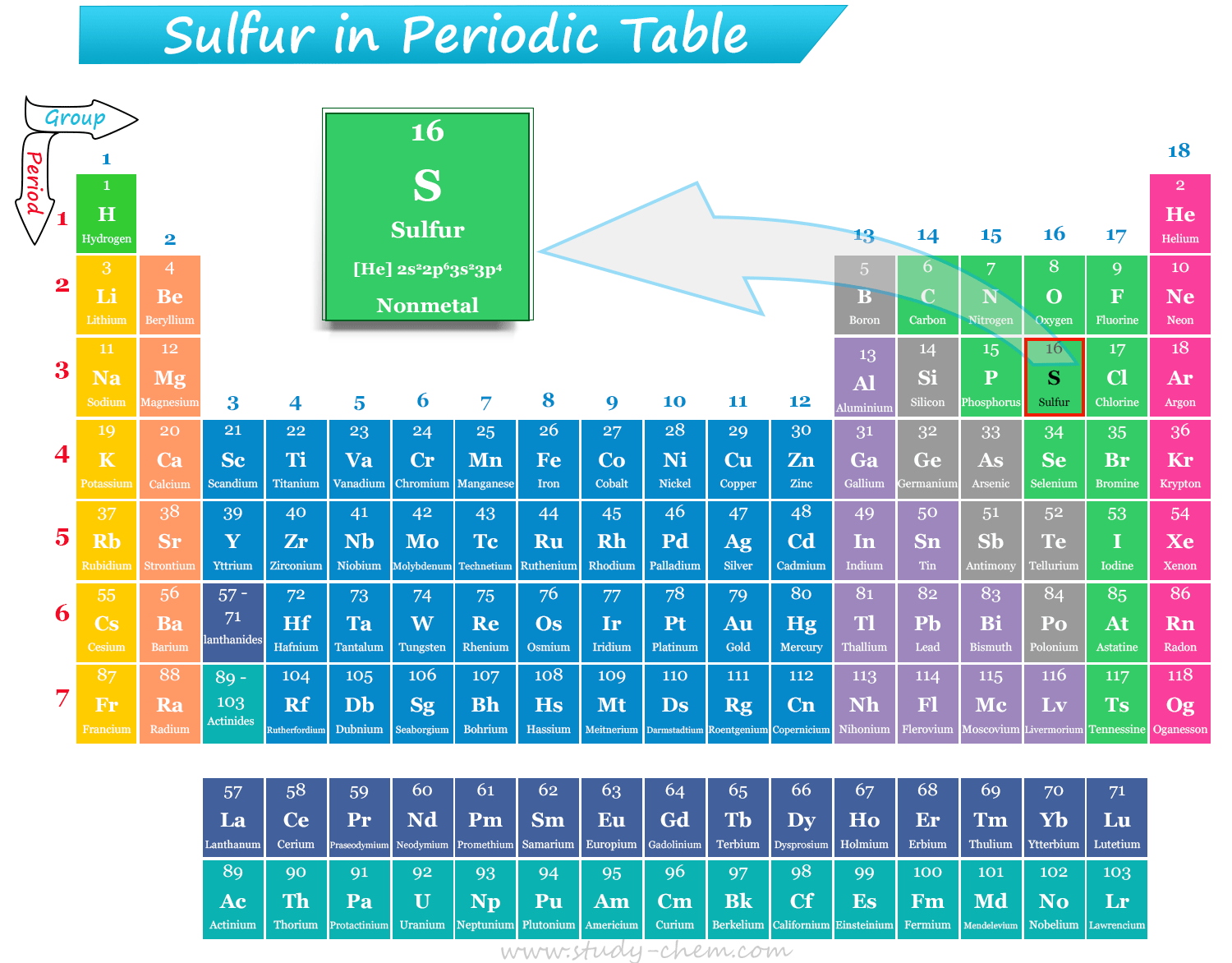
The atomic number of phosphorus is 15, and the electronic configuration of the element is [He] 2s² 2p⁶ 3s² 3p³. Therefore, nonmetal phosphorus is positioned in group 15 and period 3 (p-block) in the periodic table.
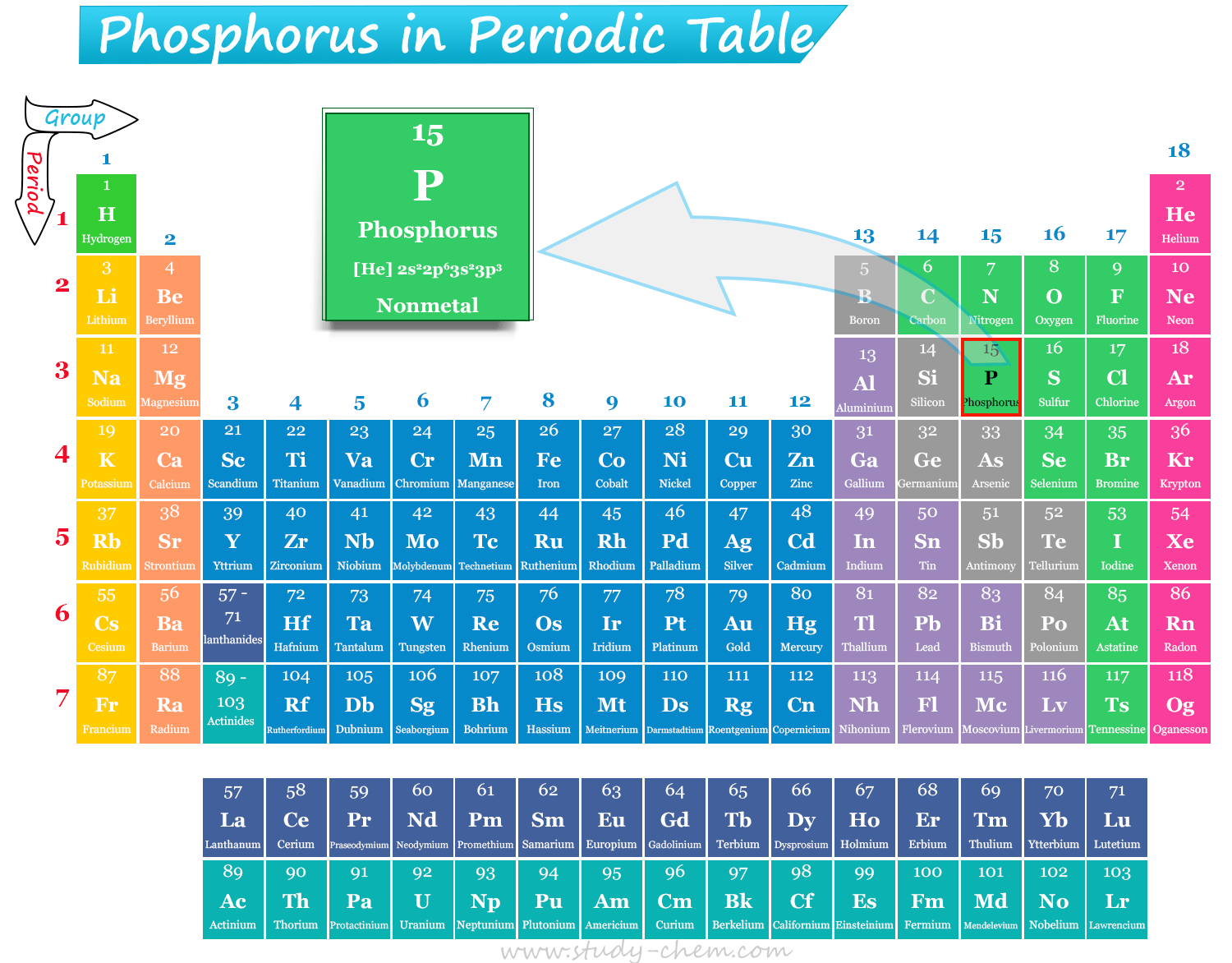
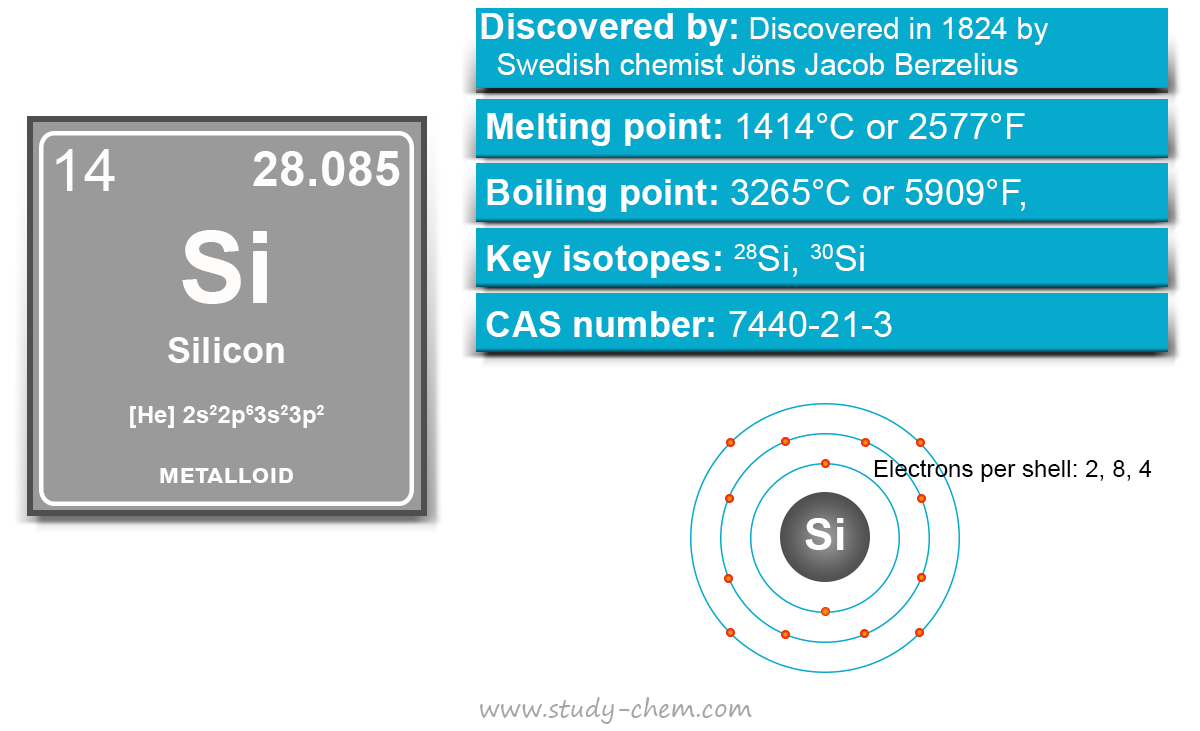
The valence shell electronic configuration of phosphorus suggests that it is a p-block element. It is placed after silicon and before sulfur along a period in the periodic table. When placed along a group, it is placed below nitrogen and above arsenic.
Phosphorus is the 15th element, or the second member of group 15, or the nitrogen group of the periodic table. Therefore, this nonmetal is placed along with other group 15 elements: Nitrogen (N), Arsenic (As), Antimony (Sb), Bismuth (Bi), and Moscovium (Mc).
Uses of Phosphorus
- The red variety of this periodic table element is used basically in the manufacture of safety matches. The side of a match box is generally coated with a mixture of glue, an abrasive, and red phosphorus.
- Phosphorus compounds uses widely for making fertilisers. Ammonium phosphate obtained from phosphate ores is generally used for this purpose. First, such ores are converted to phosphoric acid and then made into ammonium phosphate.
- Phosphorus is also important in the production of certain types of bronze and steel.
- White phosphorus generally uses for making rat poison and it is the source for making other phosphorus compounds.
- Phosphates are used for making some detergents but they are banned in some countries because they can increses the phosphate levels in natural water, causing unwanted algae to grow.
- Phosphate compounds are also used for making various special types of glasses and fine chinaware.
- Ferrophosphorus obtained during phosphorus preparation is used as a filler in high-density concrete and radiation shields.
Phosphorus Cycle
The recycling of this nonmetal among the biosphere and the Earth is much slower than the cycles for other essential nonmetals (C, N, O, H, and S).
- Phosphates in rocks are leached very slowly by weathering and carried to lakes and rivers where they support marine life. However, some algae and bacteria even absorb inorganic phosphates directly but most of these reprecipitate and collect in sediments over ages.
- The sediments are generally lifted to the surface of the Earth by geological action.
- Untreated soil usually contains very little insoluble phosphates of Ca, Al, and Fe(III). These are slightly leached in acidic water and taken up by plant roots. Therefore, such deficit is supplemented by addition of phosphatic fertilizers.
- Phosphates enter the plant and animal kingdom through food chains and play a vital role in the formation of nucleic acids, ATP, bone, teeth, etc.
- Death and decay of plants and animals return a part of this phosphorus to the soil. Natural decay of bones is an extremely slow process. Therefore, the addition of bone meal and fish meal to soils can promote such recycling process.
- Phosphates used in detergents are generally transported through sewage waters and rivers into the sea where they form sediments.
- The leaching of phosphatic fertilizers by rainwater can also carry phosphates into lakes, rivers, and seas.
- A high concentration of phosphates may lead to higher growth of aquatic plants like algae. It may cause a shortage of dissolved oxygen, killing fish and causing slower oxidation of other polluting substances.
Biological Role
Phosphorus is essential to all living things and found in many important biomolecules. The sugar-phosphate backbone of DNA and RNA molecules is generally formed by this element. It is an important part of ATP (adenosine triphosphate) in living cells.
Calcium phosphate is a component of our bones and teeth. Therefore, when we take 1 g of phosphate/day, it stores about 750 grams in our bodies.
The overuse of phosphate fertilizer and detergents can pollute rivers and lakes by causing rapid growth of algae. Such algae block out light, stopping further photosynthesis and also decreasing the dissolved oxygen (DO) in the water.
Detection of Phosphorus
Phosphorus is generally detected by heating the substance with a few pieces of magnesium ribbon to form magnesium phosphide (Mg3P2). When this is treated with water, phosphine (PH3) evolves. The PH3 evolved by this reaction generally detected by its characteristic smell.
Phosphoric acid and phosphates are generally detected by the yellow precipitate of phosphomolybdate, (NH4)2H[PO4(MoO3)12], a heteropolyacid, obtained on the addition of ammonium molybdate in the presence of concentrated nitric acid.