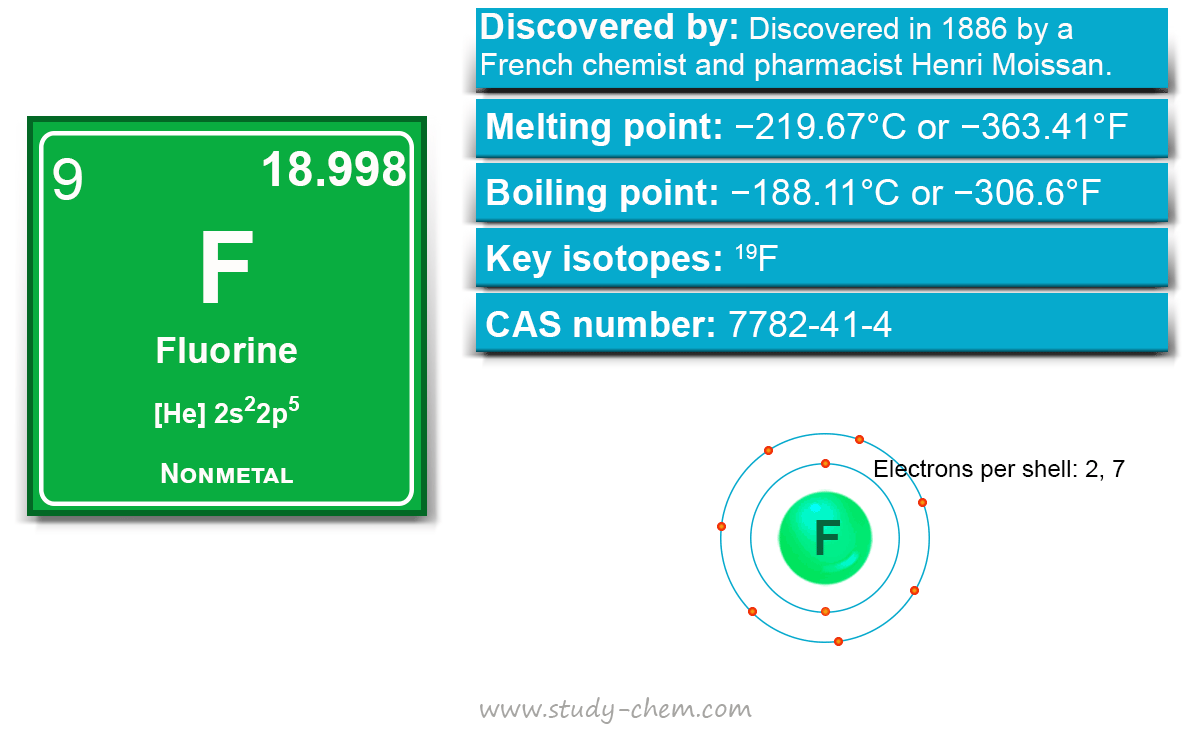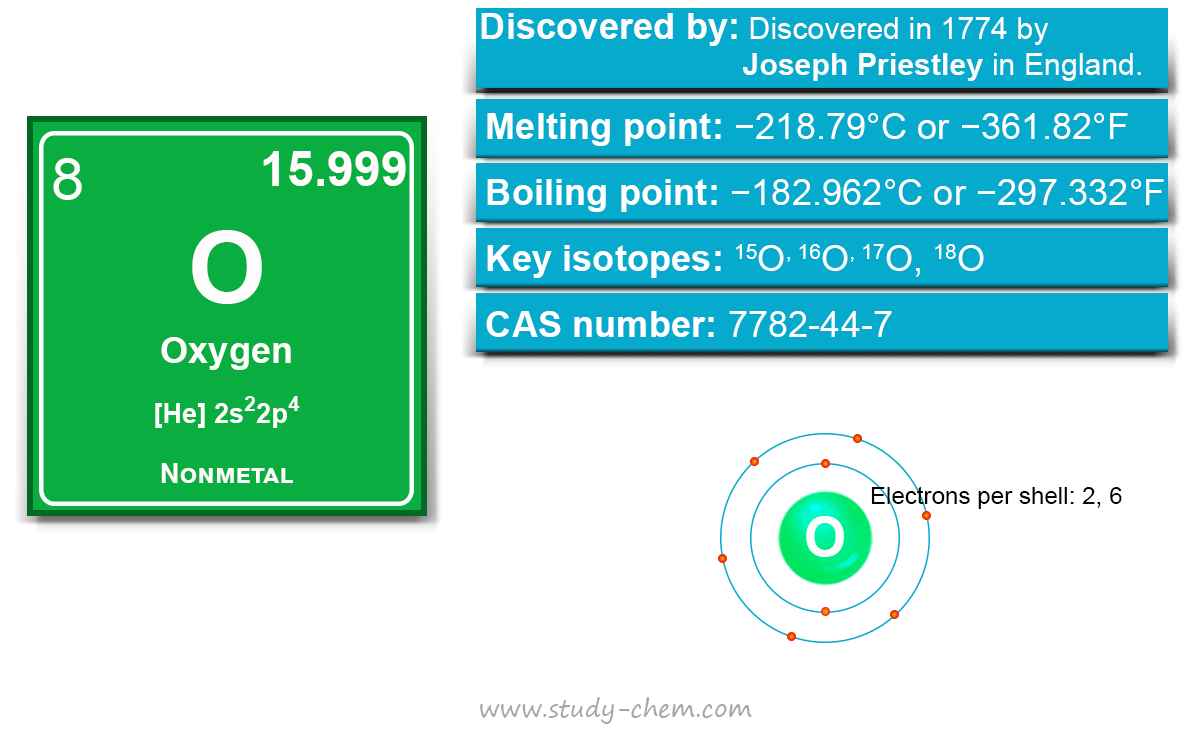
Aluminium Metal
Aluminium or aluminium is a lightweight metal or chemical element of group 13 in the periodic table with symbol Al and atomic number 13. It is a soft, silvery-white, lightweight metal that is malleable at 660.323°C. The mechanical strength of aluminium has been significantly increses when alloying with other metals. Therefore, the metal and its alloys uses for the making of a huge variety of products including containers and packaging materials, kitchen utensils, window and door frames, aircraft and car frames, etc.
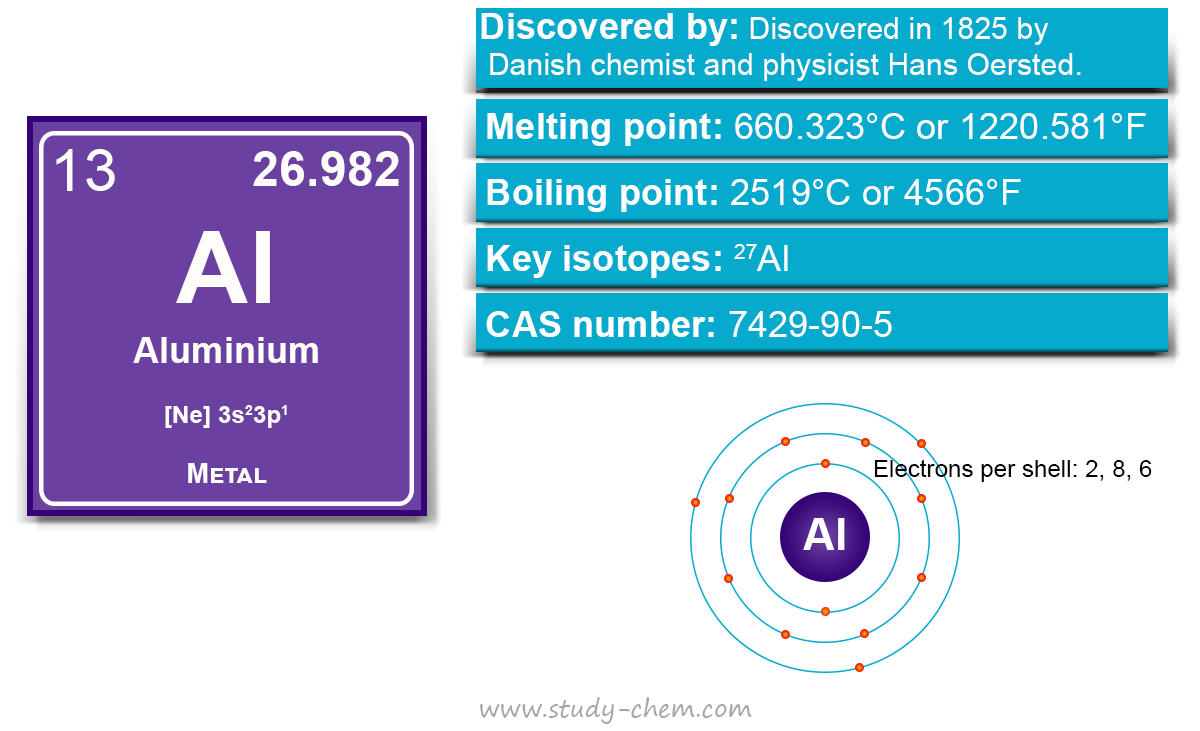
Aluminium is the second most malleable and the sixth most ductile metal on Earth. This periodic table element does not play any role in the biological system. However, the +3 state is soluble in water and toxic to plants.
Occurrence
Aluminium is the most abundant metal in the Earth’s crust after oxygen and silicon. This metal occurs in the Earth’s crust at about 8.1 percent by weight. However, the elemental form of this metal is rarely found in nature.
Aluminium is a major constituent of various silicate minerals such as mica, feldspar, kaolinite, etc. Cryolite (Na3AlF6) is the only fluoride mineral of this metal found widely in Greenland.
The most important mineral oxide of this metal is corundum (Al2O3). It is remarkable for its hardness and is also used as an abrasive. Gems (ruby, sapphire, etc) also contain aluminum oxide coloured with traces of iron (Fe), cobalt (Co), manganese (Mn), etc.
The chief commercial source of this metal is bauxite (Al2O3, xH2O). Vast deposits of bauxite occur in tropical and subtropical regions of the world. It usually forms during leaching out silica and other aluminosilicates. A workable sample contains Al2O3 (40-60%), H2O (12-30%), SiO2 (1-15%), Fe2O3 (7-30%), and TiO2 (3-4%).
A huge quantity of bauxite occurs widely in Australia, India, Brazil, Guinea, Jamaica, and several African countries. It also occurs in France, the United States, and Russia.
Discovery of Aluminium Metal
Alum was used in ancient India (Susruta) and in Rome for making various medicines. Al2O3 containing aluminium metal was known at the end of 17 century. However, all the inventors failed to isolate this metal at that time.
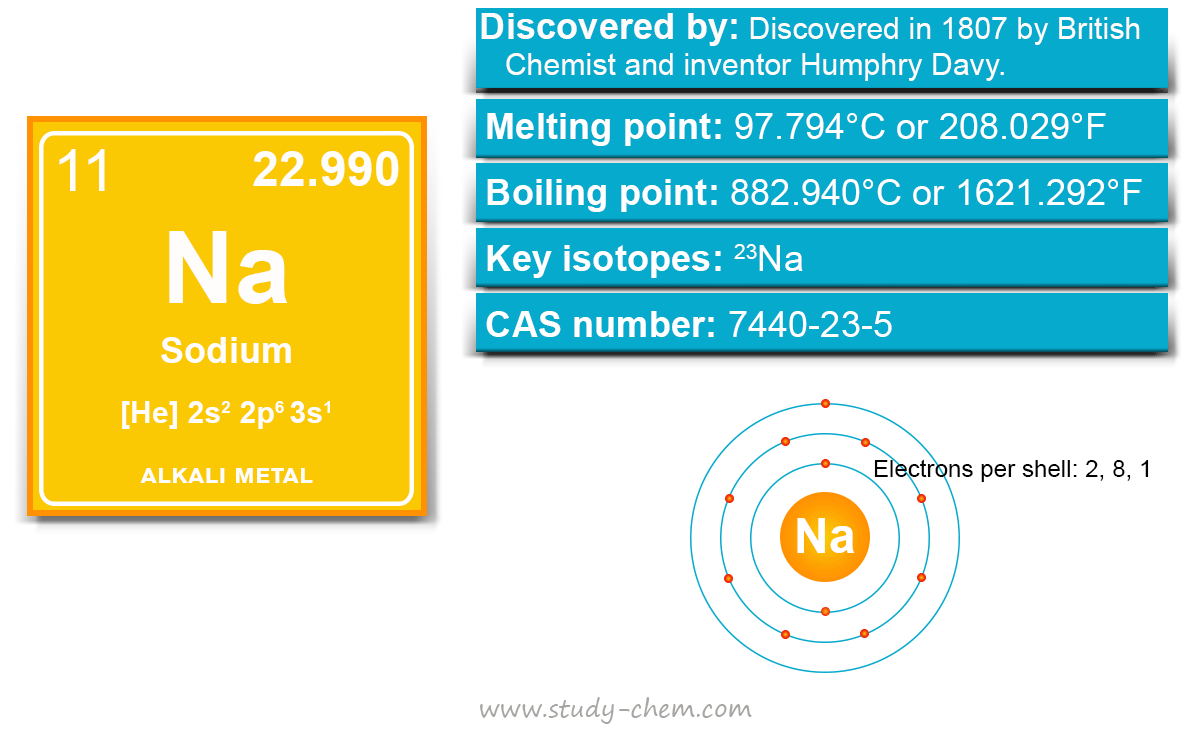
British chemist and inventor Humphry Davy also failed to isolate this metal in the same way in which he extracted sodium and potassium from their oxides. However, he suggested the name of this metal alumium/aluminum.
Danish chemist and physicist Hans Christian Oersted was the first person who discovered aluminium in 1825 by heating AlCl3 with K-amalgam. However, he extracted an impure form of this metal. Commercial production of aluminium was started in 1854 during electrolysis of NaAlCl4.
Production of Aluminium
Aluminium extracted commercially by the Hall–Héroult process. This metal is extracted electrolytically from bauxite due to its high occurrence. Purified bauxite is dissove in cryolite and electrolysed at 950 °C in carbon-lined steel cells (cathode). A hard carbon rod is used as an anode during production of Al metal by Hall–Héroult process.
A typical electrolyte composition for electrolysis is:
- Cryolite (Na3AlF6) 80-85 percent
- Calcium fluoride (CaF2) 5-7 percent
- Aluminium fluoride (AlF3) 5- 7 percent
- Alumina (Al2O3) 2-8 percent
Lithum carbonate (Li2CO3) is also used for lowering the boiling point of the electrolyte. It basically helps to permit larger current flow and also reduce fluorine emission.
The details of the electrolytic process are not fully understood. However, the main sequences are:
Al2O3 → 2Al3+ + 3O2−
Catode: 2Al3+ + 6e− → 2Al
Anode: 3O2− → 3O + 6e−
The alumina is immediately recharged when exhausted. The molten aluminium sinks to the bottom of the cell and it is drained out. The surface of the electrolyte is covered with a layer of coke because it is oxidized by the evolving oxygen and saves the anode.
Production of Cryolite
Cryolite is an essential flux in this process. It lowers the melting point of alumina and is added in the presence of CaF2. However, natural cryolite occurs only in Greenland and the supply of this compound is inadequate. Therefore, synthetic cryolite is also made by the following reaction:
Al(OH)3 + 6HF + 3NaOH → Na3AlF6 + 6H2O
Producing aluminium is a very energy consuming proceds because a huge part of the electricity is used for the production of this metal. However, if this metal has been made, it can easily be recycled and does not readily corrode.
Properties
The silvery white lustrous aluminium metal adopts a typical face-centred cubic (fcc) metallic structure. The chemistry of this metal is dominated by covalent bonding but in favourable conditions it also participates in ionic bonding.
Discovery and Physical Properties |
|||
| Discovery | Discovered in 1825 by Danish chemist and physicist Hans Oersted. | ||
| Origin of the name | The name of this metal originates from the Latin name for alum, ‘alumen’ meaning bitter salt. | ||
| Appearance | Silvery gray metallic | ||
| CAS number | 7429-90-5 | ||
| Relative atomic mass | 26.982 | ||
| Atomic number | 13 | ||
| Electron configuration | [Ne] 3s² 3p¹ | ||
| Periodic position | Group 13, period 3, and block p in the periodic table. | ||
| Melting point | 660.323°C or 1220.581°F | ||
| Boiling point | 2519°C or 4566°F | ||
| Density (g cm−3) | 2.70 | ||
| State | Solid at 20°C | ||
| Crystal structure | Face-centered cubic (fcc) | ||
| Key isotopes | 27Al | ||
| Thermal conductivity | 237 W/(m⋅K) | ||
| Electrical Conductivity | 22.4 × 10⁶ S/m | ||
| Molar heat capacity | 24.20 J mol−1 K−1 | ||
| Specific heat capacity | 896.894 J kg−1 K−1 | ||
| Thermal expansion | 22.87×10⁻⁶/K at 20 °C | ||
| Heat of fusion | 10.71 kJ/mol | ||
| Heat of vaporization | 284 kJ/mol | ||
| Van der Waals radius | 184 pm | ||
Chemical Properties |
|||
| ChemSpider ID | 4514248 | ||
| Atomic radius, non-bonded (Å) | 1.84 | ||
| Covalent radius (Å) | 1.24 | ||
| Electron affinity (kJ mol−1) | 41.762 | ||
| Electronegativity (Pauling scale) | 1.61 | ||
| Ionisation energies (kJ mol−1) |
1st | 2nd | 3rd |
| 577.539 | 1816.679 | 2744.781 | |
| Common oxidation states | +3 | ||
| Magnetic ordering | Paramagnetic | ||
Chemical Reactivity
Decrese of lattice energy with increasing cationic size from boron to alumium suggests that Al should be the most likely element to form the Al3+ ion. This element generally attains an oxidation state of +3 by covalent bonding.
The metal shows a delicate balance between covalent and ionic bonding. For example, solid aluminium trifluoride and trichloride are ionic but aluminium tribromide forms a molecular crystal consisting of Al2Br6 dimers.
The replacement of chloride ions by larger bromide ions causes a loss of lattice energy which is sufficient to offset the mode of chemical bonding. On melting, ionic alumium chloride changes to form covalent Al2Cl6 dimers.
The tripositive Al+3 ions are generally stabilized in aqueous solution by strong hydration energy. Usually, six molecules of water are held strongly by one Al+3 ion.
Facts about Aluminium
- In air, aluminium metal forms a thin coating of an adherent oxide film.
- Aluminium has a dominant covalent chemistry but under favourable conditions it can also form some ionic compounds.
- This metal forms a double salt sulphate with molecules formula MAl(SO4)2. 12H2O where M is a univalent cation NH4+, Cs+, etc.
Position of Aluminium in Periodic Table
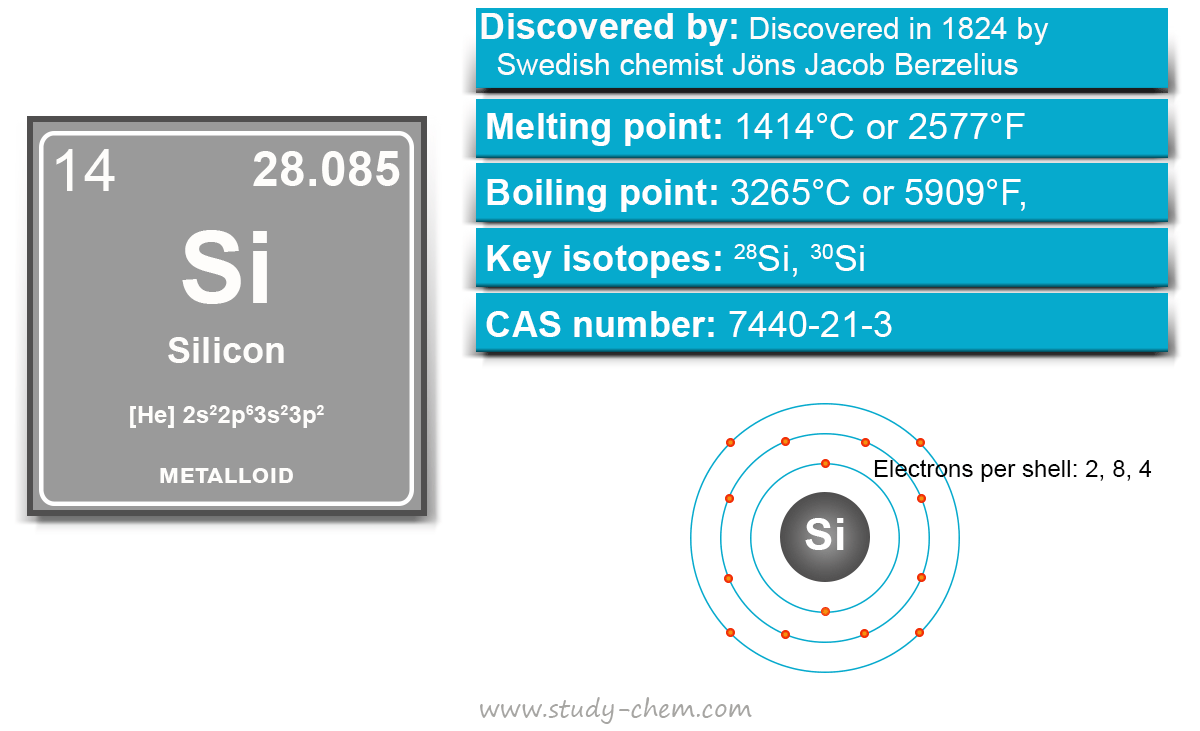
The atomic number of aluminium is 13, and the electronic configuration of the element is [He] 2s² 2p⁶ 3s² 3p¹. Therefore, aluminium metal is positioned in group 13 and period 3 of the periodic table.
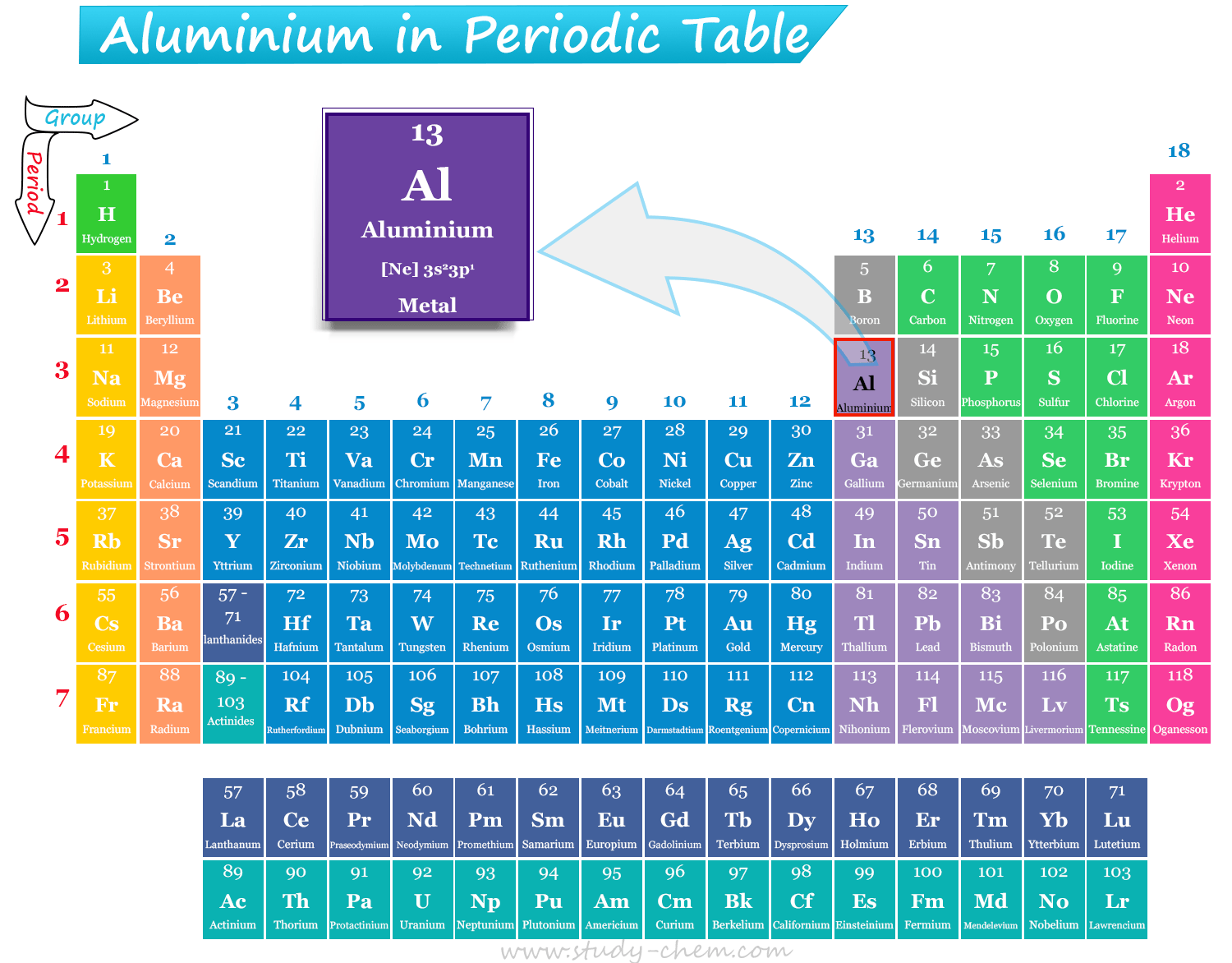
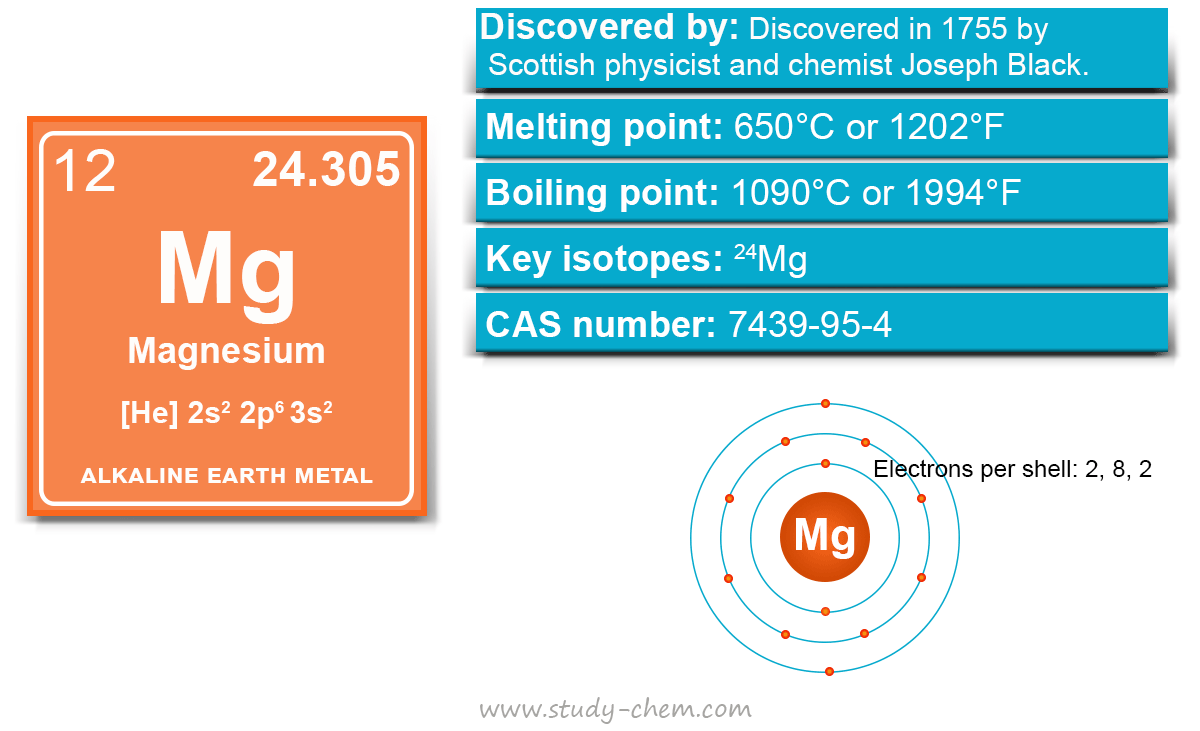
The valence shell electronic configuration of aluminium suggests that it is a p-block element. It is placed after magnesium and before silicon along a period in the periodic table. When placed along a group, it is placed below boron and above gallium.
Aluminium is the 13th element, or second member of group 13 or boron group of the periodic table. Therefore, this lightweight metal is placed along with other group 13 elements: boron (B), gallium (Ga), indium (In), and thallium (Tl).
Uses of Aluminium Metal
The extensive use of aluminium in our everyday life can be realised without a single effort. Aluminium and its alloys uses for the making of a huge variety of products including containers and packaging materials, kitchen utensils, window and door frames, aircraft and car frames, etc.
In recent years, aluminium has acquired a special position among all metals due to several exclusive properties.
- It has low density, high thermal and electrical conductivity, and excellent corrosion resistance in dry conditions due to the formation of a protective layer.
- In addition, aluminium is cheap for use, easily malleable, light, non-magnetic and non-sparking, and non-toxic.
- It can also be easily cast, machined, and significantly increase its mechanical strength by alloying with other metals.
Aluminium can be alloyed with copper, manganese, magnesium, and silicon because aluminium itself is not particularly strong. The alloyed materials are very important for construction work, transportation, electrical transmission, machinery, etc.
Construction Work
The metal and its alloys are now extensively used in making windows, doors, building panels, mobile homes, etc. It is also used in corrugated roofing and collapsible tubes for pastes.
Transportation
Aircraft, trucks, trailers, and car frames are now made from aluminium alloys because they are lightweight but strong.
Electrical transmission
Electrical power lines are the next consumer of aluminium metal due to its lower price, corrosion resistance, and moderate conductivity.
The electrical conductivity of pure aluminium is about 63 percent of the conductivity of the same volume of copper metal. However, due to lower density, Al has more than double the conductivity of an equal mass of Cu.
Aldrey-type alloys have a slightly lower electrical conductivity than that of pure aluminium but have high mechanical strength. Therefore, they are used in high-voltage electrical transmission lines.
Other Uses
- Containers and packaging items use aluminium sheets and foils on a large scale for making containers and packaging food.
- Machinery, utensils, and other household items including furniture are also made from aluminium metal.
- The powdered form of aluminium metal uses in paints and coatings for telescope mirrors, decorative paper, packages, and toys.
- Aluminium powder is also an ingredient in solid fuels in rockets.
- Some medicines used for relieving heartburn, acid indigestion, and sour stomach basically contain pure aluminium hydroxide.
- The organoaluminium compounds uses widely in organic chemistry for synthesizing many organic compounds.
Biological Role of Aluminium
The non-toxic, lightweight aluminium does not play any role in the biological system. However, the +3 state is soluble in water and toxic to plants. Acidic soils mostly speed up the release of Al3+ from its minerals. Therefore, the growth and yields of many crops can be affected because such plants absorb the Al3+ through the soil.
We generally absorb only a small amount of this metal when taking our food. Tea, processed cheese, lentils, and sponge cakes contain a small amount of Al. Cooking in aluminium pans does not increase the level of this metal in our bodies. However, when cooking acidic foods, it can increses significantly.
When high levels of aluminium accumulate in bones, brain, and other tissues, it can have negative effects on our body organs.