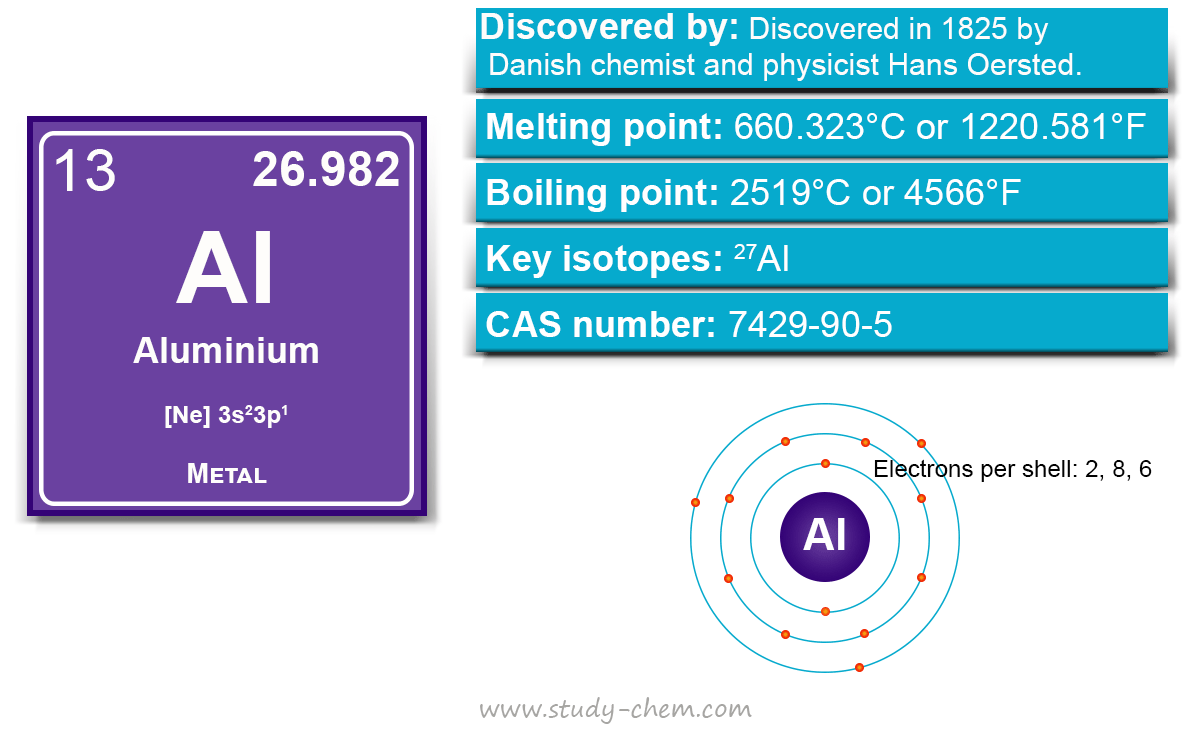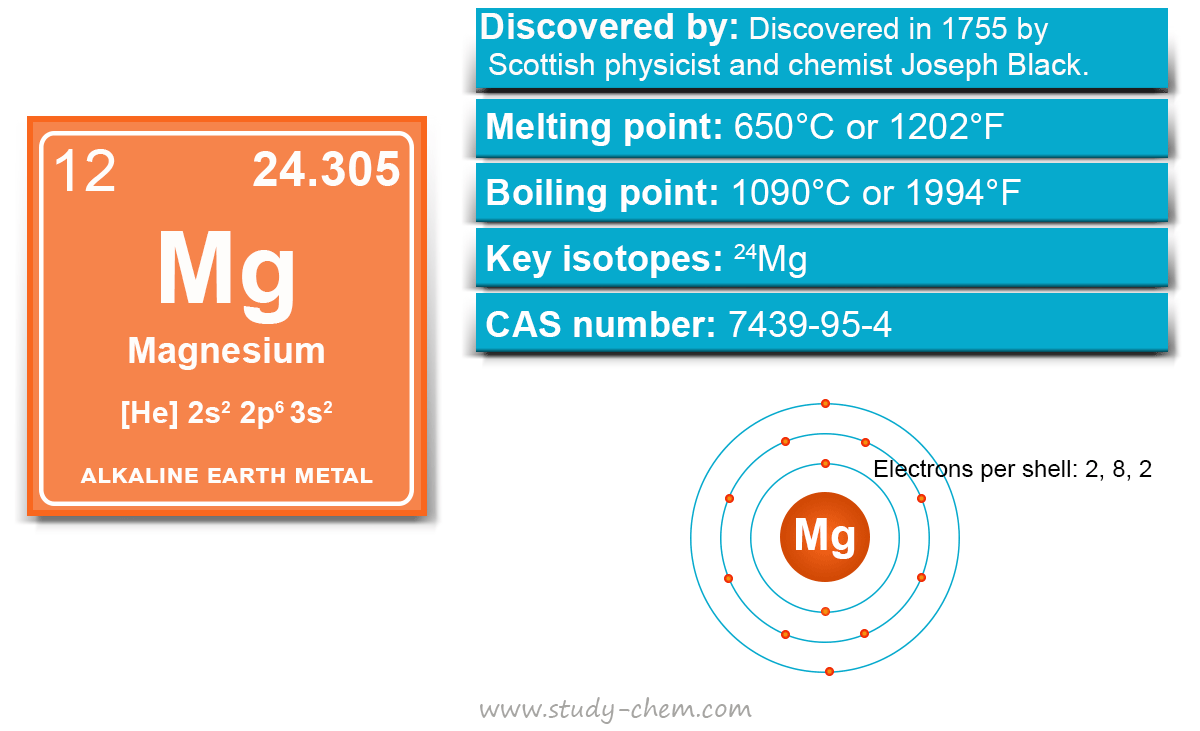
Argon Element
Argon is a chemical element or colourless, odourless inert gas of group 18 (noble gases) of the periodic table with chemical symbol Ar and atomic number 18. It is a monatomic gas with a closed-shell configuration [Ne] 3s23p6. Therefore, it has little intermolecular attraction with very low boiling and melting points. Argon is preferred over helium for creating an inert atmosphere in metallurgy and other systems. The name of this inert gas is derived from the Greek word ‘Argos’, meaning idle or inactive.
Argon is a non-flammable, cryogenic gas that does not cause any environmental hazard due to its inertness. It basically produces a characteristic blue-green light when ignited by a high-voltage electric field.
Most of stable isotope of this element, 40Ar obtained during decays of 40K either by electron capture or positron emission. Therefore, it is used in potassium-argon dating to estimate the age of rocks.
Occurrence
Argon is the third most abundant atmospheric gas and is also the most abundant noble gas makes 0.934% by volume of dry air. A very small amount of this element also occurs in igneous rocks because potassium-40 turns into argon during electron capture or positron emission.
Isotopes of Argon
Natural argon is a mixture of three stable isotopes, 40Ar, 38Ar, and 36Ar with natural abundances of 99.604%, 0.334%, and 0.063%, respectively. The natural isotope 40Ar basically produces through electron capture or proton emission from 40K.
19K40 + e− → 18Ar40
It has also 25 known isotopes of atomic number ranging from 30 to 54. Out of these, 39Ar, 42Ar, and 37Ar are the longest-lived radioisotopes with half-lives of 269 years, 32.9 years, and 35.04 days, respectively.
Discovery of Argon
The noble gases in the periodic table were discovered generally through their physical properties like spectral behaviour and gas density.
Although argon is the third most abundant atmospheric gas but it was not discovered until 1894. It was first discovered from liquid air in 1894 by British scientist Lord Rayleigh and Scottish chemist Sir William Ramsay.
However, the first observation was given in 1785 by Henry Cavendish. He observed that a sample of air always leaves a small residue (about 1/120th part) even after repeated sparking with excess oxygen.
Ramsay removed all the nitrogen from air and thus he had extracted it from air. He use hot magnesium to do this because it formed the solid magnesium nitride. He examined that the gas would not react and it gave a new spectrum of red and green lines. Therefore, it confirmed that it was a new element.
Lord Rayleigh was awarded the Nobel Prize in Physics for his investigation of gas densities and for the discovery of argon. William Ramsay was also awarded the Nobel Prize in Chemistry for the discovery of inert gas elements in air and their place in the periodic system.
Production Process
Commercially, argon gas is obtained during fractional distillation of liquid air. Some Ar gas is also recovered from synthetic ammonia plants where the gas enters with nitrogen.
Properties
The non-poisonous and non-flammable argon does not contain any flavour, colour, or odour. The extreme inertness of this element reflects its monatomic nature.
The ionization energy of Ar is very high, and it is the highest for the 3rd period. The electron affinity of this element is very poor since an added electron would occupy a new shell. Therefore, no anion of Ar is known.
Discovery and Physical Properties |
|||
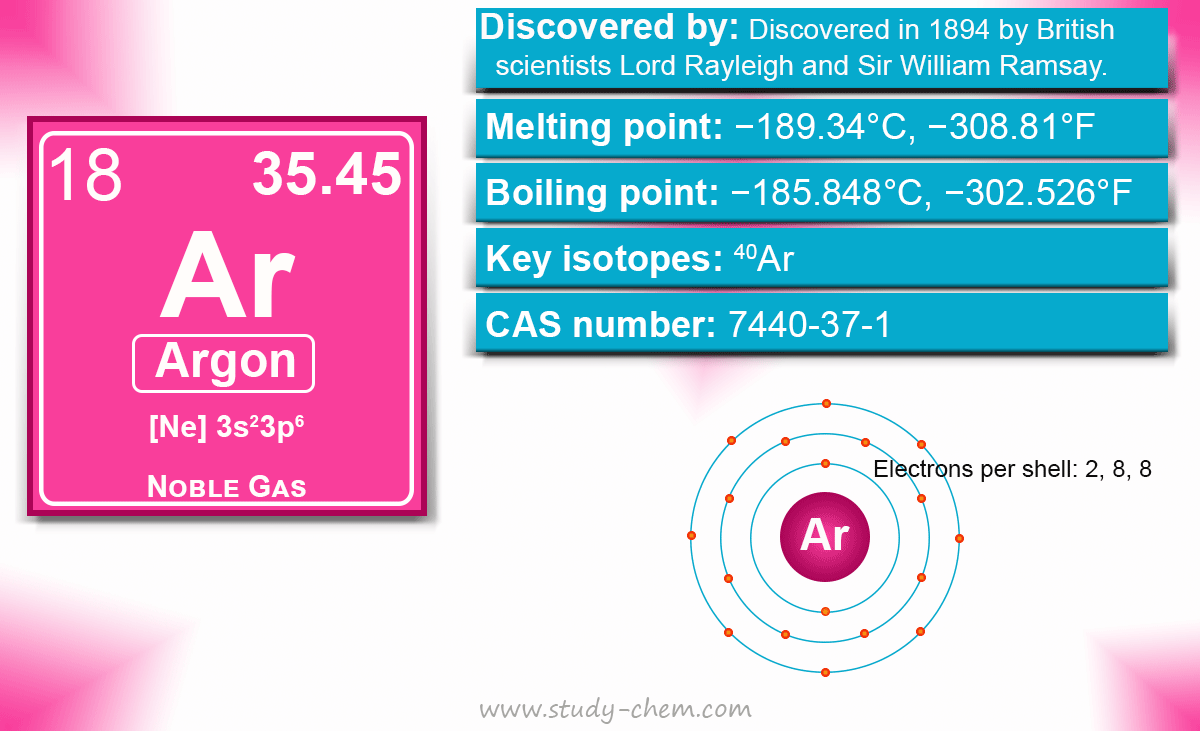
| Discovery | Discovered in 1894 by British scientists Lord Rayleigh and Sir William Ramsay. | ||
| Origin of the name | The name of this noble gas originates from the Greek word ‘argos’, meaning idle. | ||
| Allotropes | Ar | ||
| CAS number | 7440-37-1 | ||
| Symbol | Ar | ||
| Relative atomic mass | 39.95 | ||
| Atomic number | 18 | ||
| Electron per shell | 2, 8, 8 | ||
| Electron configuration | [Ne] 3s2 3p6 | ||
| Periodic position | Group 18, period 3, and block p in the periodic table. | ||
| Melting point | −189.34°C, −308.81°F | ||
| Boiling point | −185.848°C, −302.526°F | ||
| Density (g cm−3) | 0.001633 | ||
| State | Colourless, odourless inert gas at 20°C | ||
| Crystal structure | face-centered cubic (fcc) | ||
| Key isotopes | 40Ar | ||
| Critical point | 150.687 K, 4.863 MPa | ||
| Heat of fusion | 1.18 kJ/mol | ||
| Heat of vaporisation | 6.53 kJ/mol | ||
| Thermal conductivity | 17.72×10⁻³ W/(m⋅K) | ||
| Triple point | 83.8058 K, 68.89 kPa | ||
| Molar heat capacity | 20.85 J/(mol·K) | ||
| Specific heat capacity | 521.902 J/(kg·K) | ||
| Speed of sound | 323 m/s (gas, at 27 °C) | ||
| Molar magnetic susceptibility | −19.6×10⁻⁶ cm3/mol | ||
Chemical Properties |
|||
| ChemSpider ID | 22407 | ||
| Atomic radius, non-bonded (Å) | 1.88 | ||
| Covalent radius (Å) | 1.01 | ||
| Electron affinity (kJ mol−1) | Not stable | ||
| Electronegativity (Pauling scale) | Unknown | ||
| Ionisation energies (kJ mol−1) |
1st | 2nd | 3rd |
| 1520.571 | 2665.857 | 3930.81 | |
| Common oxidation states | Inert gas and does not show any oxidation states | ||
| Magnetic ordering | diamagnetic | ||
Chemical Reactivity
The complete s and p subshells in the valence shell of argon make a very stable configuration. Therefore, the energy required for promotion of an electron to the next available vacant orbital or (n+1) shell is very large. It shows that covalent bonding involving hybridization of the valence state is highly unfavorable for Ar.
Similarly, formation of ionic compounds of the type Ar+F− is also difficult because high energy is required for ionization of argon.
These two facts resistant to bonding with other elements. Therefore, argon generally shows oxidation state 0 due to its inert nature. This noble gas gives out a blue-violet glow when heated.
Compounds of Argon
The lack of chemical reactivity of argon is the reason to call it inert. Therefore, prior to 1962, no true chemical compound of this element was known. The only compounds reported were some clathrates or cage compounds formed with para-quinol and water.
Quinol generally crystallized from aqueous or other solutions in the presence of argon at high pressure. This noble gas is physically trapped within the cavities formed in the quinol crystal through a hydrogen-bonded network.
Similarly, water molecules encapsulate Ar when frozen under high pressure. Synthetic zeolites also form such cage compounds under definite conditions.
These cannot be called true compounds since only weak Van der Waals forces operate between argon and the quinol or water. Therefore, the noble gas Ar is liberated on melting or dissolution.
Although this element was completely unreactive, argon fluorohydride (HArF) is now obtained during the photolytic decomposition of hydrogen fluoride with a solid Ar matrix at a temperature of 7.5 K.
Facts of Argon
- Argon is the most abundant noble gas in air, from which all the noble gases except radon can be isolated by fractional distillation of liquid air.
- The outermost eight valence electrons make argon exceedingly stable and chemically inert compared to other elements.
- Argon neither accepts nor releases electrons because it contains a closed-shell electron configuration.
- The symbol of argon was changed in 1957 by IUPAC from A to Ar.
- In solid state, Ar form face centred cubic lattice with most space economized structure.
- The radioactive decay of potassium-40 into argon-40 is the main source of this element on Earth.
Position of Argon in Periodic Table
The atomic number of the noble gas argon is 18, and thus its electronic configuration is [Ne]3s23p6. Therefore, noble gas argon is positioned in group 18 and period 3 of the periodic table.
The valence shell electronic configuration of argon suggests that it is a p-block element and the last member of the 3rd period of the periodic table. This periodic table element occurs in the noble gas family, group 18, below neon and above krypton.
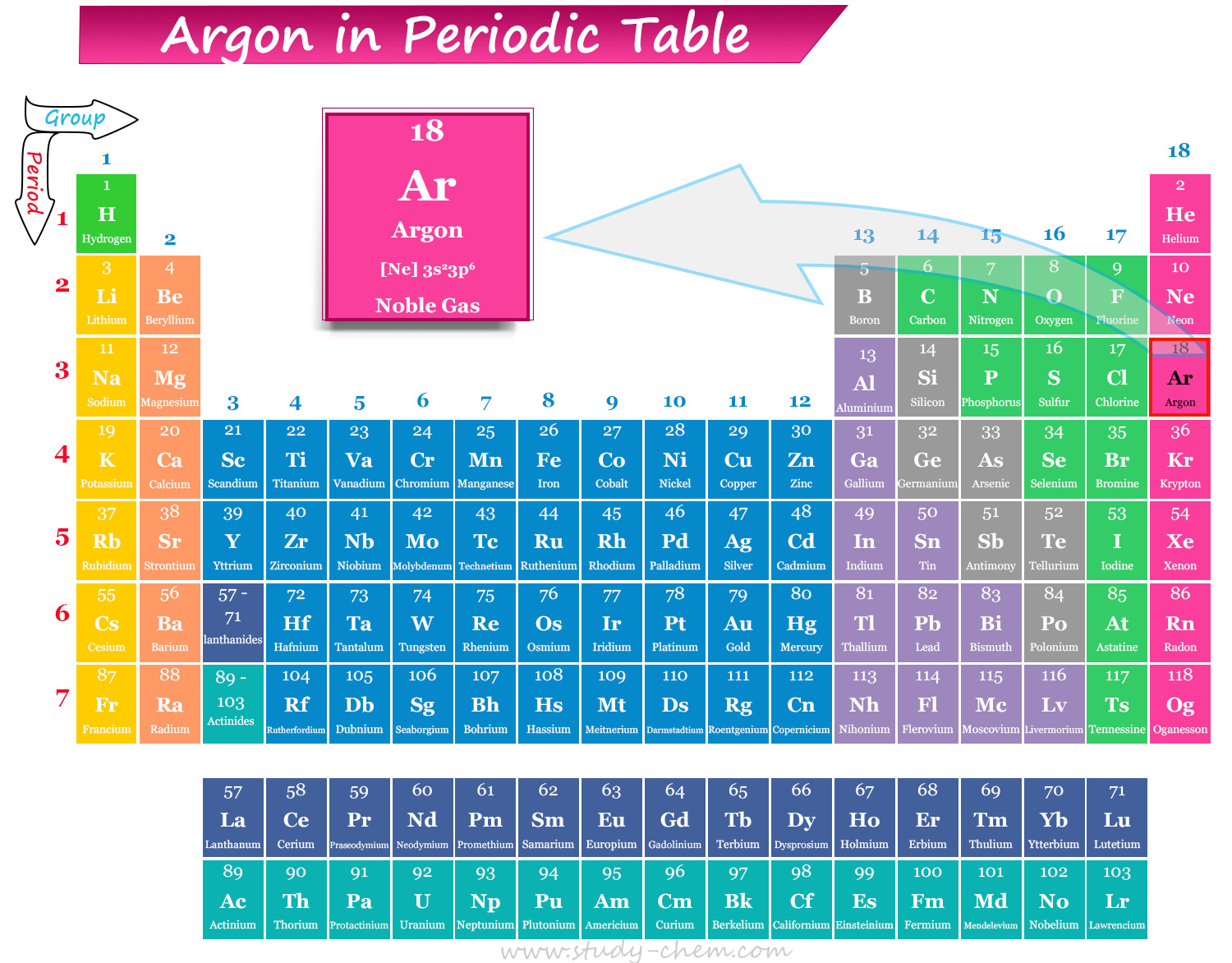
Argon is the 18th element, or the third member of group 18 or the noble gas family of the periodic table. Therefore, this noble gas is placed with other group 18 elements: Helium (He), Neon (Ne), Krypton (Kr), Xenon (Xe), Radon (Rn), and Oganesson (Og).
Uses of Argon
- Argon is largely preferred over helium to create an inert atmosphere for the production of titanium, zirconium, and other reactive elements. An argon atmosphere also helps to protect graphite in graphite electric furnaces from burning.
- Argon gas is also used by welders during ARC welding of aluminium and stainless steel to protect the weld area.
- Argon gas uses basically in fluorescent tubes, discharge tubes, low-energy light bulbs, ionization counters, and many other similar instruments.
- This noble gas is used basically in incandescent bulbs to stop oxygen from corroding the filament.
- This noble gas is used in double-glazed windows for filling the space between the panes.
- Argon gas is used to protect the rubber and reduce road noise in the tyres of luxury cars.
- It also provides an inert environment for growing crystals of semiconductors obtained from germanium and silicon.
- In the medical industry, it generally uses in lasers to correct eye defects, including glaucoma, macular degeneration, retinal detachment, and blood vessel leakage.
- Compressed argon is occasionally used as a propellant in aerosol cans.
- Ar-39 radioisotope dating is used to determine the ages of groundwater and ice core samples.
- The liquid form of this element is used for removing malignant tissue during cryosurgery.
- Liquid argon is also used in scientific investigations such as neutrino tests and dark matter studies.
- A breathing mixture called Argox can be used after deep-sea diving because it removes dissolved nitrogen from the blood during decompression.
Biological Role
The noble gas argon does not play any biological activity in living things. This periodic table element cannot harm human beings or our environment in any way because it is inert in nature.
Toxic Effects of Argon
Due to its inert nature, argon is not known to be toxic to human beings. However, occupational exposure and the refrigerated liquid of this element can cause frostbite.
This noble gas is a dangerous asphyxiant because it is 38 percent denser than air. Therefore, people can suffocate in a dense argon environment.
Argon has never caused any environmental hazard because it does not carry any dangerous substances that can cause ozone depletion and global warming.