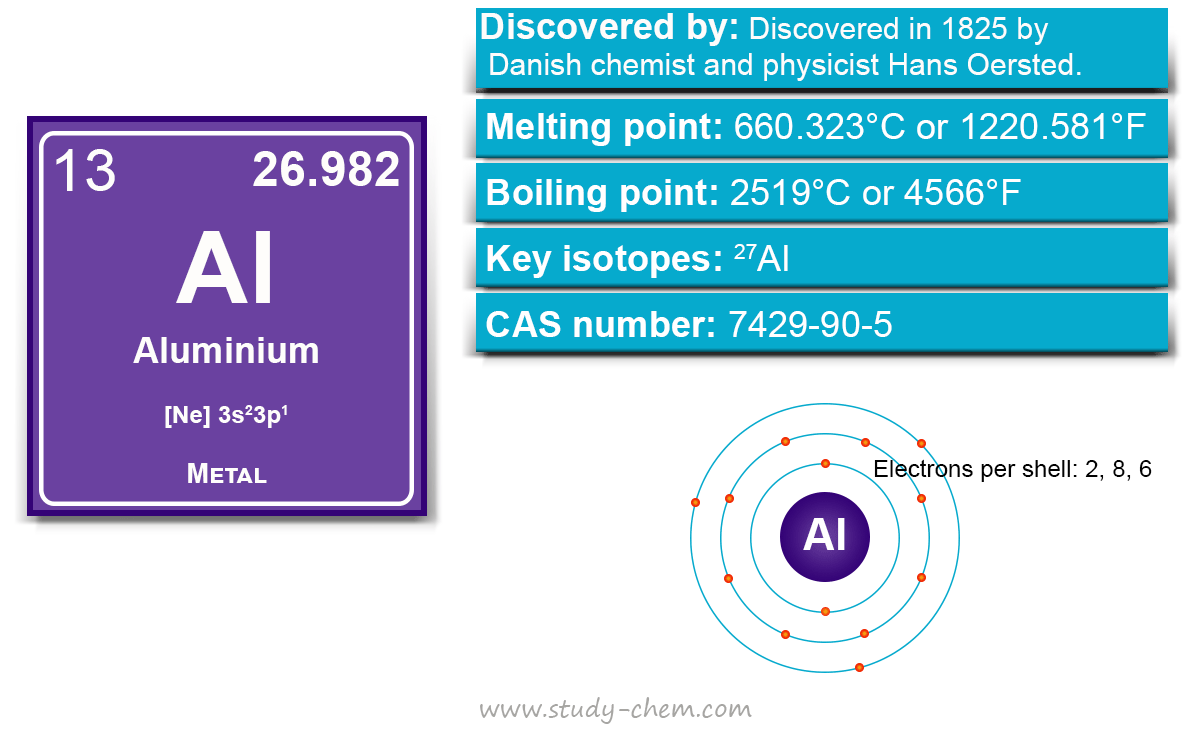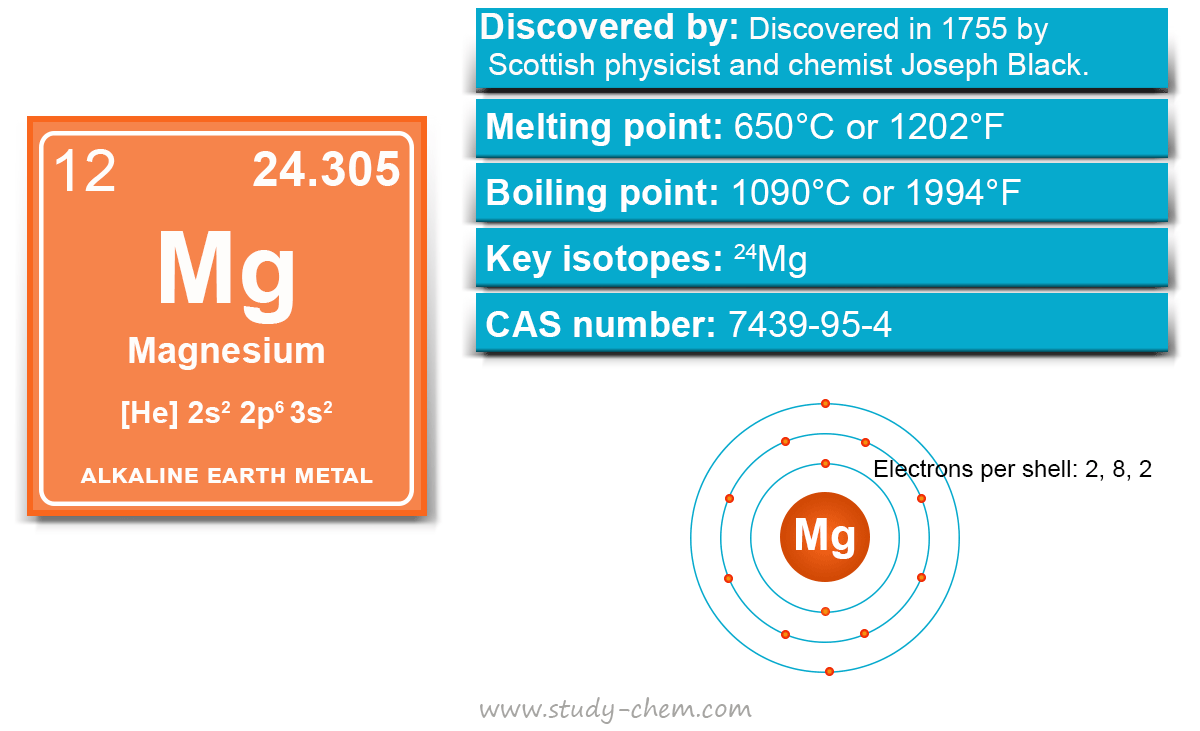
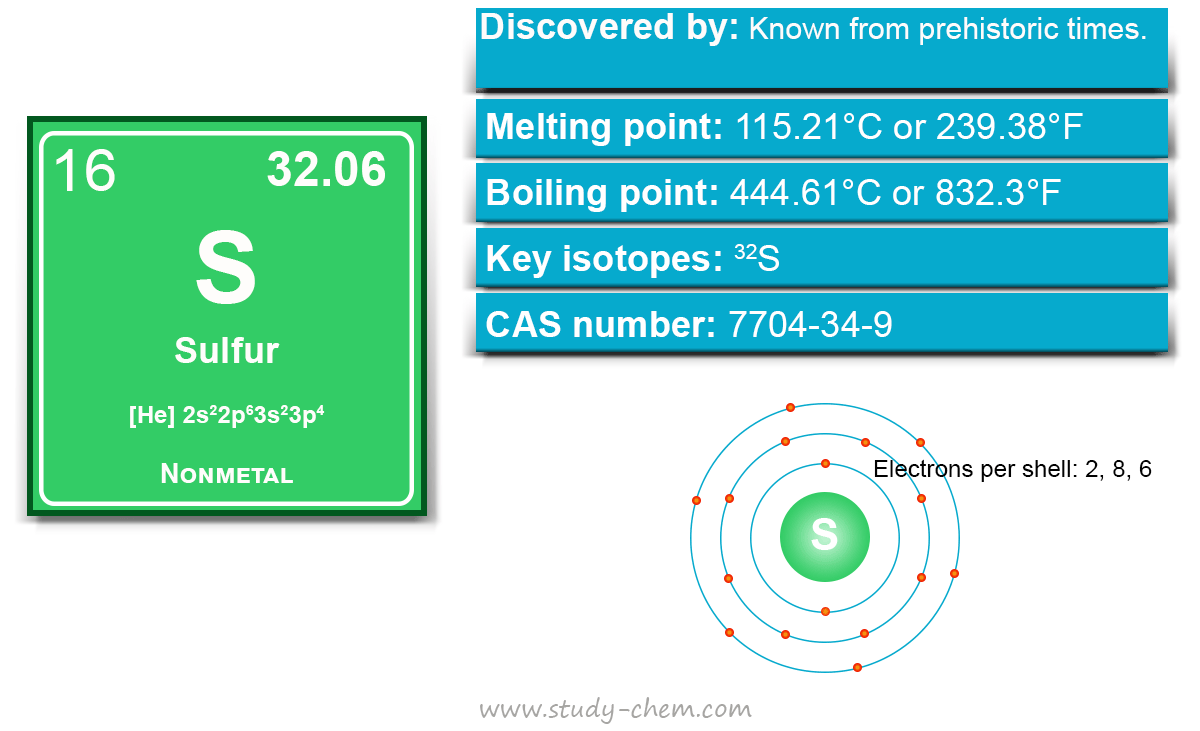
Sulfur Element
Sulfur (sulphur) is a yellowish powdery chemical element of group 16 (Chalcogen family) in the periodic table, represented by the symbol S and atomic number 16. Pure sulfur is an odorless nonmetal that does not have any smell but some compounds of this element have a bad smell. For example, hydrogen sulfide (H2S) produces the “rotten egg” smell and mercaptans give the defensive odor in skunks. Sulphur is a valuable component of the world economy because it is used to manufacture numerous products (fertilizers and other chemicals). Sulphur is one of the essential plant nutrients that generally increases crop yield by providing a direct nutritive value. It also improves the efficiency of other essential plant nutrients like nitrogen and phosphorus.
Sulfur is the main source for the production of the world’s most widely used chemical and a versatile mineral acid, sulfuric acid. This mineral acid is used widely by the fertilizer industry for the production of phosphates and also nitrogen, potassium, and sulphate fertilizers.
Elemental sulfur also uses in many other industries for the manufacture of pigments, fibers, hydrofluoric acid, carbon disulfide, pharmaceuticals, agricultural pesticides, personal care products, cosmetics, etc. This chemical element also uses for the vulcanization of synthetic rubber, the treatment of water, and the pickling of steel.
Aboundence
Sulfur is the sixteenth most abundant element constituting nearly 0.034% of the Earth’s crust. It occurs naturally as sulphide in the minerals galena and iron pyrites. The sulfate form of this element (gypsum and Epsom salts) also occurs in nature.
The elemental form of this element is present in several places on Earth, such as volcanic areas. Sulfur also occurs as H2S in natural gas and petroleum and as organosulfur in coal. This periodic table element occurs in many organic compounds such as hair, wool, egg albumen, garlic, onion, and mustard.
Isotopes
Sulfur has 24 isotopes ranging from 26S to 49S. It has four stable isotopes, including 32S, 33S, 34S, and 36S with natural abundances of 95.02%, 0.75%, 4.21%, and 0.02%, respectively.
Most of the radioactive isotopes are short-lived but 35S has the longest half-life, 87.1 days. It is beta-active and can be prepared from 35Cl by an (n, p) reaction. It is widely used in mechanistic studies.
Isolation of Sulfur
In earlier days, sulfur could be lifted from underground deposits by the Frasch Process. Three concentric pipes are sunk to the sulfur layer below 150 to 750m of the surface during the extraction of this element.
This chemical element is melted with superheated water and forced upward by compressed air. Thus, it could be collected on the surface in its liquid state.
This periodic table element can also be produced during the purification processes of oil, tar sands, and natural gas. Therefore, it is now recovered on a large scale from sour natural gases which contain 15 to 20% H2S.
Such H2S can be absorbed in monoethanolamine followed by partial oxidation. Sulfur element is then produced by self-reduction between H2S and SO2 over an Fe2O3/Al2O3 catalyst at 300 °C.
2H2S + 3O2 → 2H2O + 2SO2
2H2S + SO2 → 2H2O + 3S
Sulfur may also be recovered from crude petroleum oil in a similar manner. Millions of tonnes of S can be produced in this manner in the USA and Japan each year.
The SO2 form of this element is obtained as a by-product from roasting of sulfide minerals like iron pyrites, zinc blende, etc. The gypsum mineral occurs in the Earth, mostly converted to ammonium sulfate directly by reaction with NH3 and CO2.
Discovery of Sulfur
The discovery of sulfur is unclear but this element was known to ancient humans because it is mentioned in the Bible and was commonly used in many parts of Asia and Europe.
Antoine Lavoisier was the first to think sulfur was an element but could not prove it. However, in 1808, Humphry Davy said that it was a compound containing hydrogen. In the following year, Louis-Josef Gay-Lussac and Louis-Jacques Thénard studied its characteristics and proved that it was an element.
The name of this periodic table element originates from the Sanskrit word ‘sulvere’, meaning “enemy of copper”, the Latin word ‘sulfurium’, or the Arabic word ‘sufra’ meaning yellow.
Allotropes of Sulfur
Sulfur forms a large number of allotropes which contain puckered rings or long chains of S atoms. The allotropic forms of this element are very sensitive to variation in temperature. Therefore, many amazing varieties of sulfur units have been synthesized.
The most stable allotropic form is the yellow rhombic form. The usual roll sulfur, sublimed flower of sulfur, and precipitated milk of sulfur belong to the rhombic form. It contains a puckered cyclo-S8 ring.
When the temperature rises to about 95 °C, it changes to monoclinic form. The S8 ring still persists although the packing becomes disordered. Monoclinic S8 is best obtained by heating ordinary sulfur to 100 °C and then cooling rapidly to room temperature.
Sudden cooling of the liquid sulfur from 160 °C or dropping the liquid into water gives a plastic form of this element. This variety can be drowned into fibres. The fibres are made of helical chains of S atoms.
The plastic form of this element is insoluble in organic solvents and slowly returns to the crystalline rhombic form. Just above the boiling point, S still persists with the S8 unit but further increase in temperature dissociate successively to form S6, S4, and S2.
Sulfur also forms an S6 ring with the chair conformation. Many other cyclic forms such as cyclo S7, S10, S12, S18, and S20 have also been synthesized.
Properties
The ionization potentials of group 16 elements are generally high but expectedly decrease down the group. The metallic character of group 16 (chalcogen group) generally increases down the group. Therefore, among the group 16 elements, oxygen is a nonmetal, sulfur is an insulator, selenium and tellurium are semiconductors, and polonium is a metal.
Discovery and Physical Properties |
|||
| Discovery | Known from prehistoric times. | ||
| Origin of the name | The name originates either from the Sanskrit word ‘sulvere’, or the Latin word ‘sulfurium’. | ||
| Common Allotropes | α-S (orthorhombic), β-S (monoclinic), S2, S3, cyclo-S8 | ||
| CAS number | 7704-34-9 | ||
| Relative atomic mass | 32.06 | ||
| Atomic number | 16 | ||
| Electron configuration | [Ne] 3s² 3p⁴ | ||
| Periodic position | Group 16, period 3, and block p in the periodic table. | ||
| Melting point | 115.21°C or 239.38°F | ||
| Boiling point | 444.61°C or 832.3°F | ||
| Density (g cm−3) | 2.07 | ||
| State | Solid at 20°C | ||
| Crystal structure | Orthorhombic for alpha (α-S8) Monoclinic for beta (β-S8) |
||
| Key isotopes | 32S | ||
| Thermal conductivity | 0.205 W/(m⋅K) (amorphous) | ||
| Molar heat capacity | 22.75 J mol−1 K−1 | ||
| Specific heat capacity | 709.607 J mol−1 K−1 | ||
| Critical point | 1314 K, 20.7 MPa | ||
| Heat of fusion | 1.727 kJ/mol for beta (β-S8) | ||
| Heat of vaporization | 45 kJ/mol for beta (β-S8) | ||
| Van der Waals radius (Å) | 1.80 | ||
Chemical Properties |
|||
| ChemSpider ID | 4515054 | ||
| Atomic radius, non-bonded (Å) | 1.80 | ||
| Covalent radius (Å) | 1.04 | ||
| Electron affinity (kJ mol−1) | 200.41 | ||
| Electronegativity (Pauling scale) | 2.58 | ||
| Ionisation energies (kJ mol−1) |
1st | 2nd | 3rd |
| 999.589 | 2251.763 | 3356.72 | |
| Common oxidation states | 6, 4, 2, −2 | ||
| Magnetic ordering | Diamagnetic | ||
The outermost quantum shell of sulfur consists of an s2p4 electronic configuration with a vacant d orbital. Therefore, it uses its vacant d-orbital for chemical bonding purposes to give valences 2, 4, 6.
Facts of Sulfur
- The intestinal gas has a bad odor because the large intestine in humans is full of bacteria and it produces various sulfur compounds.
- Sulfur itself and its sulfate are non-toxic to humans but many other compounds (sulfur dioxide, hydrogen sulfide, and carbon disulfide) are all considered to be poisonous.
- Sulfur is one of the essential plant micronutrients that generally help to increase crop yield.
- The sulfide compounds are generally estimated by the reaction with silver(I) and lead(II) acetate to give a black precipitate.
- The sulfur present in living things can be stored after fossilization.
Position of Sulfur in Periodic Table
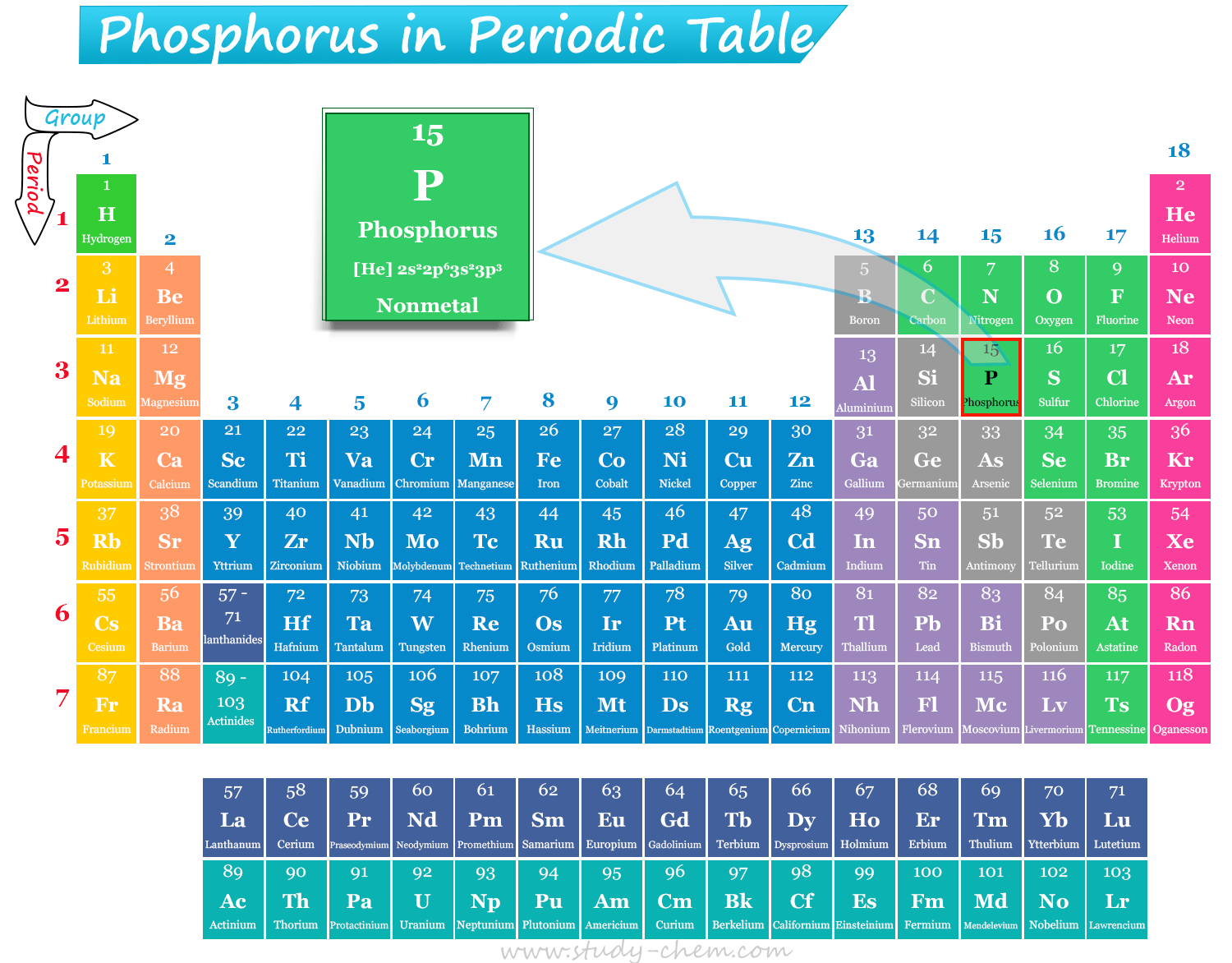
The atomic number of sulfur is 16, and the electronic configuration of the element is [He] 2s² 2p⁶ 3s² 3p⁴ or [Ne] 3s² 3p⁴. Therefore, nonmetal sulfur is positioned in group 16 and period 3 of the periodic table.
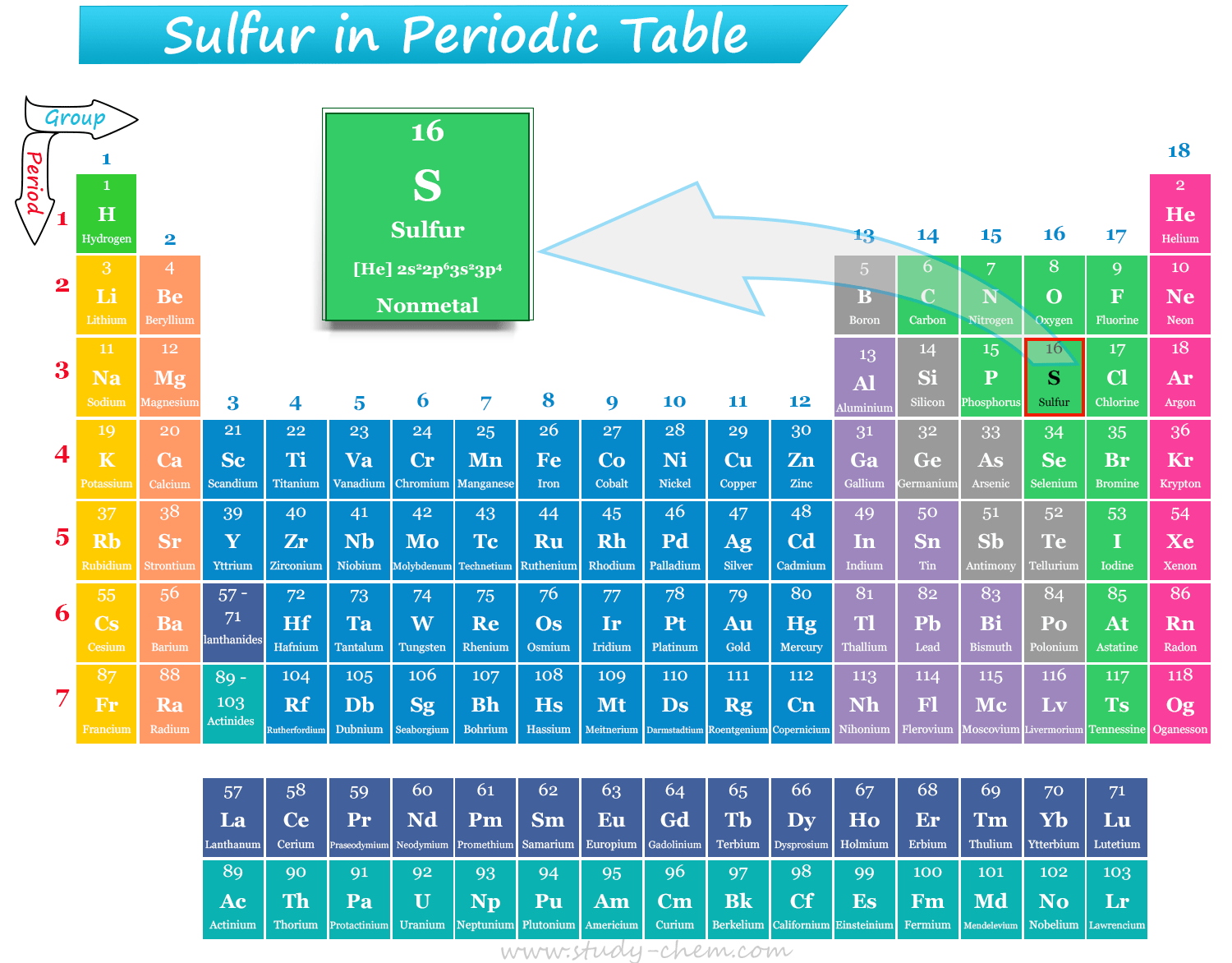
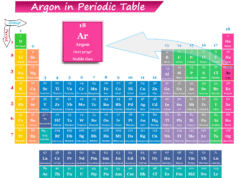
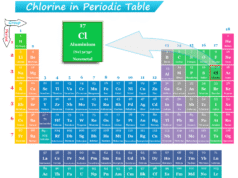
The valence shell electronic configuration of sulfur suggests that it is a p-block element. It is placed after phosphorus and before chlorine along a period in the periodic table. When placed along a group, it is placed below oxygen and above selenium.
Sulfur is the 16th element, or the second member of group 16 or the chalcogen family of the periodic table. Therefore, this nonmetal is placed along with other group 16 elements: Oxygen (O), Selenium (Se), Tellurium (Te), Polonium (Po), and Livermorium (Lv).
Compounds of Sulfur
Hydrogen Sulfide
Hydrogen sulfide is generally obtained in the laboratory by the action of non-oxidizing acids such as HCl on iron (II) sulfide.
FeS + 2HCl → FeCl2 + H2S
Direct combination of the element at elevated temperature also gives this sulfide. By cooling the reaction mixture to −60 °C, it may be liquefied and then purified by distillation. A convenient laboratory method consists of heating a mixture of solid sulfur with paraffin.
Hydrogen sulfide may have acidic, reducing, precipitating, and polysulfide forming properties. This gas is soluble in water to form a 0.1 M solution.
In an acid solution, the standard potential of the S/H2S couple is +0.14 volts.
S + 2H+ + 2e → H2S; E° = +0.14
Consequently, H2S can be easily oxidised to sulfur by a large number of oxidants.
5H2S + 2KMnO4 + 3H2SO4 → 5S + 2MnSO4 + K2SO4 + 8H2O
3H2S + K2Cr2O7 + 4H2SO4 → 3S + Cr2(SO4)3 + K2SO4 + 7H2O
H2S + 2HNO3 → S + 2NO2 + 2H2O
When sulfur is boiled with a solution of alkali sulfide, polysulfides are formed. The resulting solutions transform from yellow to dark red.
Oxides of Sulfur
Sulfur dioxide and trioxide are two main oxides with chemical formulas SO2 and SO3, respectively. SO2 is generally made by burning elemental sulfur in air. Some metal sulfides, such as Cu2S also produce SO2 on burning in air.
Sulfur Dioxide
The structure of SO2 can be represented by two main resonating forms. Other possible forms are also known, but these will make a smaller contribution to the resonance hybrid.
The sulfur atom in the SO2 molecule is sp2 hybridized. One sp2 orbital carries the lone pair of electrons, and another sp2 orbital with a pair of electrons makes the coordinate covalent bond to one oxygen atom. The electrons in the third sp2 orbital overlap with the unpaired electron in the second oxygen orbital. The last electron in the 3p orbital of this element then overlaps with a suitable orbital of the second oxygen to form the π-bond.
Sulfur dioxide is a reducing agent and it shows lots of reducing reactions with KMnO4, K2Cr2O7, I2, Cl2, and H2O2.
2KMnO4 + 5SO2 + 2H2O → K2SO4 + 2MnSO4 + 2H2SO4
I2 + SO2 + 2H2O → 2HI + H2SO4
Cl2 + SO2 + 2H2O → 2HCl + H2SO4
K2Cr2O7 + 3SO2 + H2SO4 → K2SO4 + Cr2(SO4)3 + H2O
H2O2 + SO2 → SO3 + H2O → H2SO4
There are certain reactions where SO2 behaves as an oxidant:
2H2S + SO2 → 3S + H2O
SO2 + C → CO2 + S
4FeCl2 + SO2 + 4HCl → FeCl3 + 2H2O + S
Sulfur Trioxide
Sulfur trioxide (an anhydride of sulfuric acid) has a great industrial importance. This trioxide is obtained basically during the oxidation of SO2 by oxygen in the presence of vanadium pentoxide (V2O5).
At low temperature, SO3 stays as a polymeric solid (SO3)3 or as an infinite helical structure. It is a powerful oxidant, oxidizing HBr to Br2 and P to P4O10.
Oxoacids of Sulfur
Sulfur has many important oxoacids and some of these oxoacids are known only in the form of their salts. They generally form many possible resonating structures. Oxoacids with S−S links are called thioacids.
The most important and useful oxoacids of sulfur are sulfurous acid (H2SO3) and sulfuric acid (H2SO4). The other oxoacids are dithionous acid (H2S2O4), pyrosulfurous acid (H2S2O5), thiosulfuric acid (H2S2O3), pyrosulfuric acid (H2S2O7), peroxomonosulfuric acid (H2SO5), peroxodisulfuric acid (H2S2O8), etc.
Halides and Oxohalides of Sulfur
Prominent sulfur fluorides are disulfur difluoride (FSSF), thiothionyl fluoride (SSF2), difluoride (SF2), tetrafluoride (SF4), and hexafluoride (SF6). In these fluorides, sulfur shows a wide range of oxidation states from 1 to 6.
Chlorosulfuric acid, fluorosulfuric acid, and sulfuryl dichloride are the main oxohalides of sulfur with chemical formulas HSO3Cl, HSO3F, and SO2Cl2, respectively.
Uses of Sulfur
- Sulfur is largely use for making topmost chemical sulfuric acid (H2SO4) for industry. Sulfuric acid is largely used in making phosphate fertilizers.
- Elemental sulfur is used in the vulcanization of rubber to make it more durable.
- Sulfur is also used for the manufacturing of CS2 for use in making rayon, insecticides, fungicides, etc.
- Due to its distinctive odor, it is used in natural gas supplies for detecting gas leaks easily.
- Ammonium sulfate obtained from sulfuric acid used for making detergents, paints, pigments, rayon, explosives, etc.
- The sulfur compound, calcium sulfate is basically mined for making plaster of Paris and cement.
- SO2 and sulfurous acid are essential bleaching agents in the sugar and paper industry.
Toxicity of Sulfur
Sulfur and sulfate are non-toxic to humans but their compounds (sulfur dioxide, hydrogen sulfide, and carbon disulfide) are all considered to be poisonous. Hydrogen sulfide is more dangerous because it can cause respiratory paralysis, resulting in death.
Sulfur dioxide is released into the air during the combustion of unpurified oil and coal. It mixes with rainwater to cause acid rain, which mixes in water and increases the pH level of the soil and water. Therefore, it causes the death of living things and water bodies.
The element itself plays a vital role in living organisms (plants and animals). Plants generally absorb the sulfate form of this element from soil and water.
Analytical Reaction of Sulfur
Sulfur compounds are generally reduced to sodium sulfide by heating with sodium carbonate in a reducing flame. The sulfide can be recognized by its reaction with silver(I) and lead(II) acetate to give a black precipitate.
Sulfide may also decompose to give H2S. The H2S may then be absorbed in alkali to form alkaline sulfide. The resulting sulfide may be detected by reduction of sodium nitroprusside to form a violet colour.
Na2[Fe(CN)5NO] + Na2S → Na4[Fe(CN)5(NOS)]
Sulfur compounds can also be oxidized to sulfate by fusion with sodium peroxide and then quantitatively estimated as BaSO4.